Napa, CA-based artist Arleene Correa Valencia talks about:

Why she lives in Napa, CA, and the two distinct versions of the town, for the wealthy and for the poor (“you’re either the owner of the vineyard, or you’re working the vineyard,” as she put it); how she’s the first generation to not be working the vineyards, his dad having worked the vineyard for a period before transitioning to hand-painting etched wine bottles for a winery (which he had to ultimately leave for lack of being paid enough because he didn’t have an MFA); her favorite wines by grape (Pinots and Cabs from Sonoma mainly), and more recently a master fabricator color theorist and surface touch-up artist; making her dad’s dreams to become an artist come to fruition through her; how she always refers to the work she makes as ‘ours,’ assuming everyone knows that her father always has a hand in the projects, in addition to consistently collaborating with makers from her culture of origin; the letters she exchanged with her father, while he was working to lay a foundation for the family to move to the U.S., among the artworks acquired by Stanford’s Cantor Arts Center; her complicated DACA (Dreamer) status, and the exhibition she was able to have in Mexico (in Puebla, about 2 hours from Mexico City) which ultimately allowed her to apply for, and get, a green card; how she had to defer her dream to go to a 4-year university or art school until she received DACA status, and then she got a Diversity Scholarship that allowed her to attend California College of the Arts, which she would never otherwise would have been able to afford; how one of her 1st interviews was for someone interested in learning about being undocumented in the arts (originally published in Hyperallergic, she had to have it taken down for legal reasons to protect her); how her various supporters propelled her into her art-making and her art school education, and in turn the questions she asks herself about how she can help others, undocumented and otherwise…

This podcast relies on listener support; please consider becoming a Patreon supporter of the podcast, for as little as $1/month, here: https://www.patreon.com/theconversationpod

        In the 2nd half of our conversation (available on Patreon), Arleene talks about:

How her mom comes from a family with 36 brothers and sisters, so is part of an enormous extended family; the BRCA mutation in her family, in which bodies are much more susceptible to various cancers, including breast cancer and ovarian; why ICE hasn’t been active in the Napa Valley area, very likely because people of wealth and/or power won’t allow their wine supply to be affected; how aware she is of her career and her sales, and that she’s proud of her production rate and the work her gallery is doing with her; the demand for her truck paintings, and why she has a need to make those paintings, not producing them for a paycheck; when she requested a collector give her more time to finish a piece that she wasn’t happy with, and re-made it; how integral her dad is to her work and her process, and how he’s celebrated along with her, if only through his tremendous pride in her, and that it wouldn’t all happen without him; the work they do with a tattoo family, and how it’s similar to the dynamic that she and her dad as a family do together, which she acknowledges is a bit like the man behind the curtain; her Tochtli (rabbit) tattoo, a symbol in her family that signifies selflessness and the ultimate sacrifice; how the evolution of her being tattooed, which started when she was 18, has been about honoring the story of her ancestry and claiming her identity, and how her brothers, like her, are acquiring full body suits of tattoos.


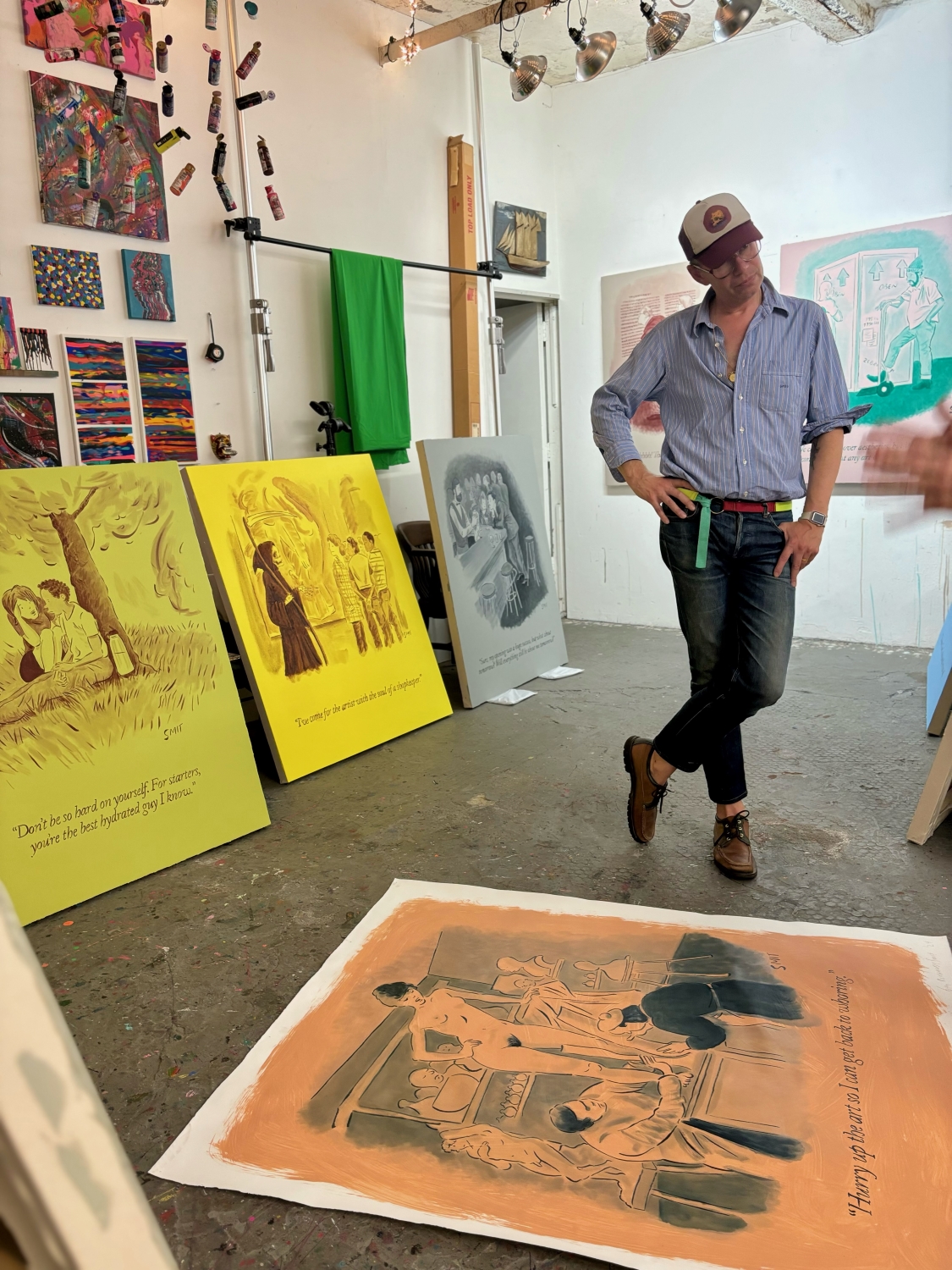
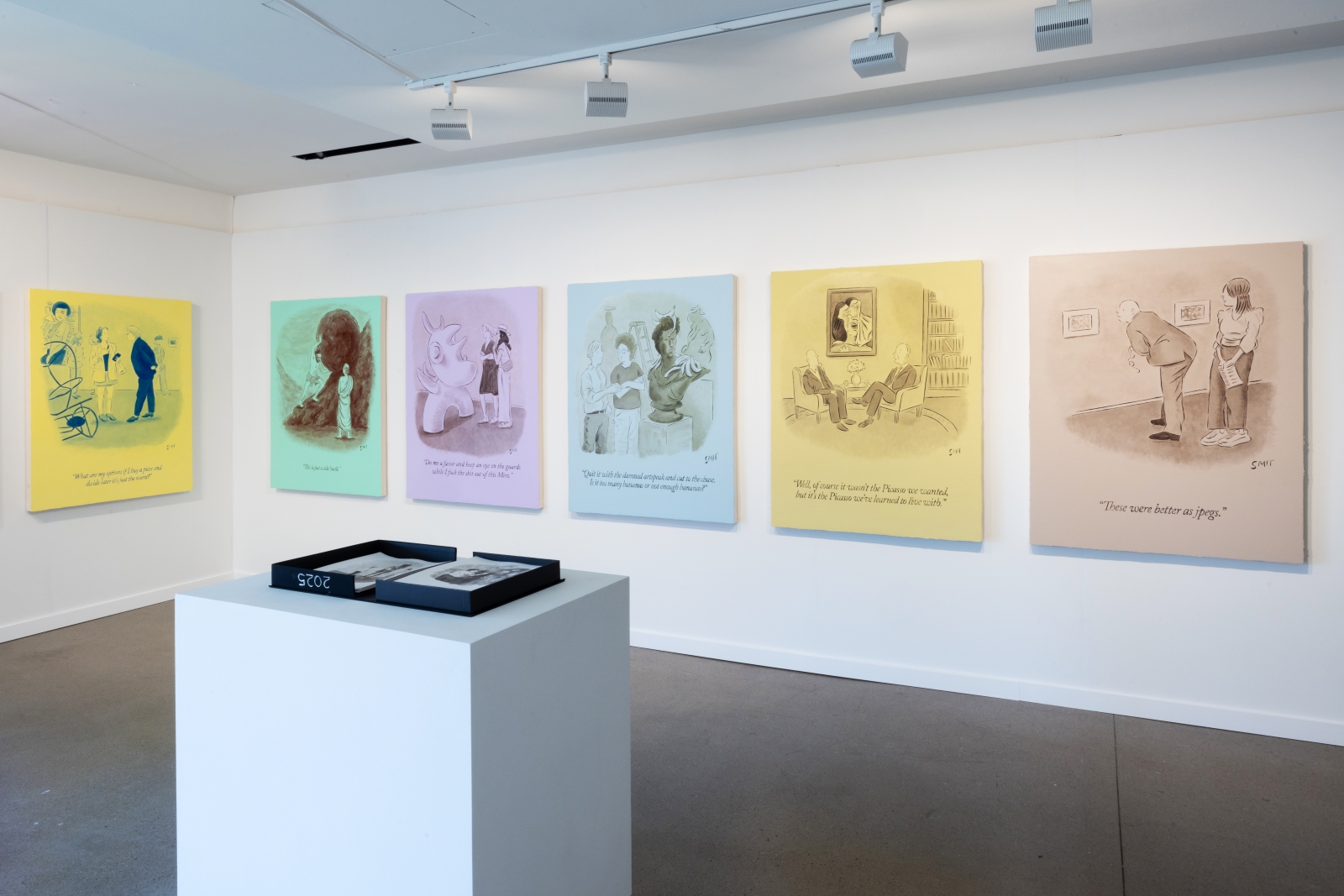
Brooklyn-based artist and sometimes New Yorker magazine cartoonist Guy Richards Smit returns to the podcast eight years after his first visit to talk about:

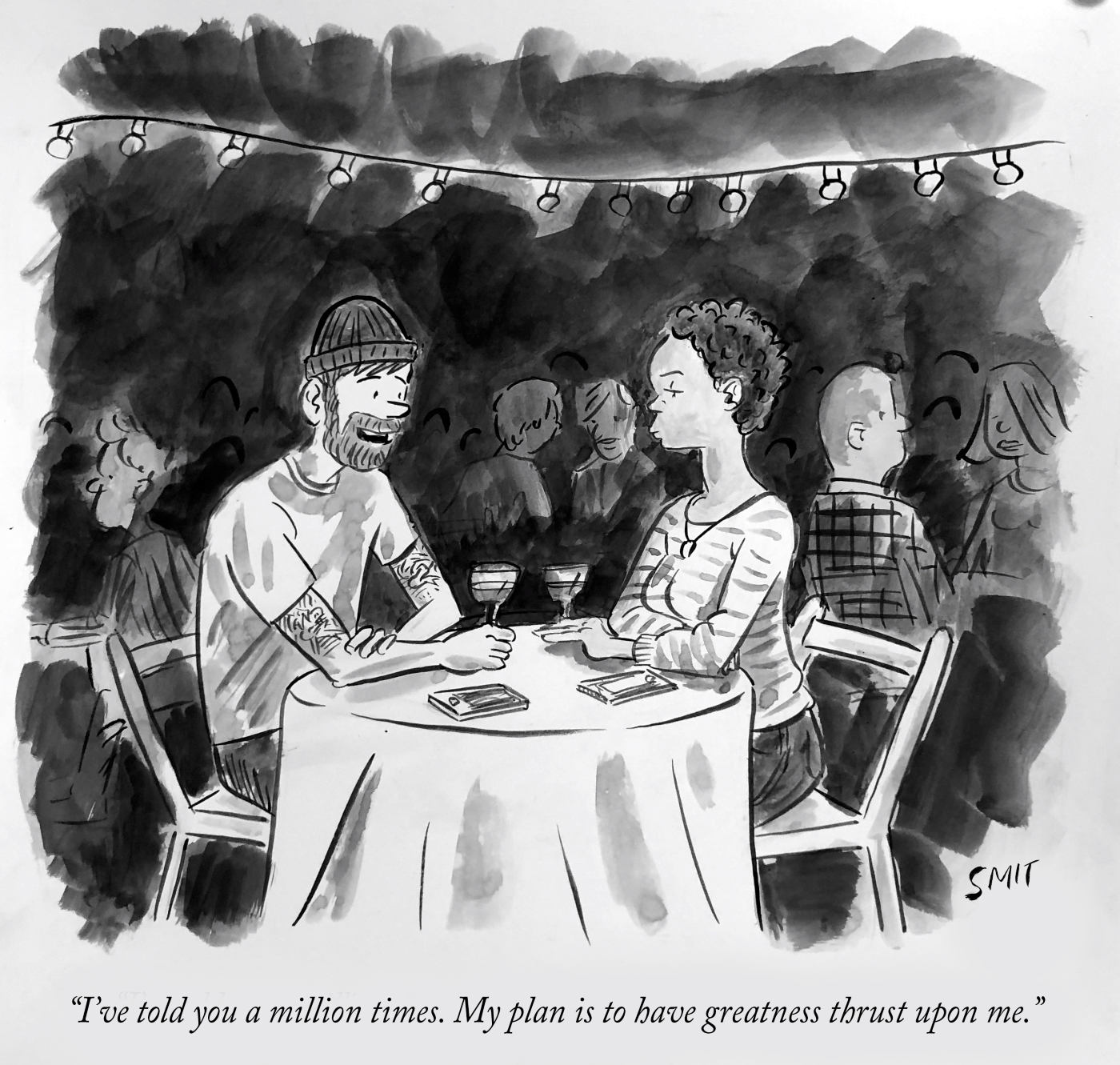
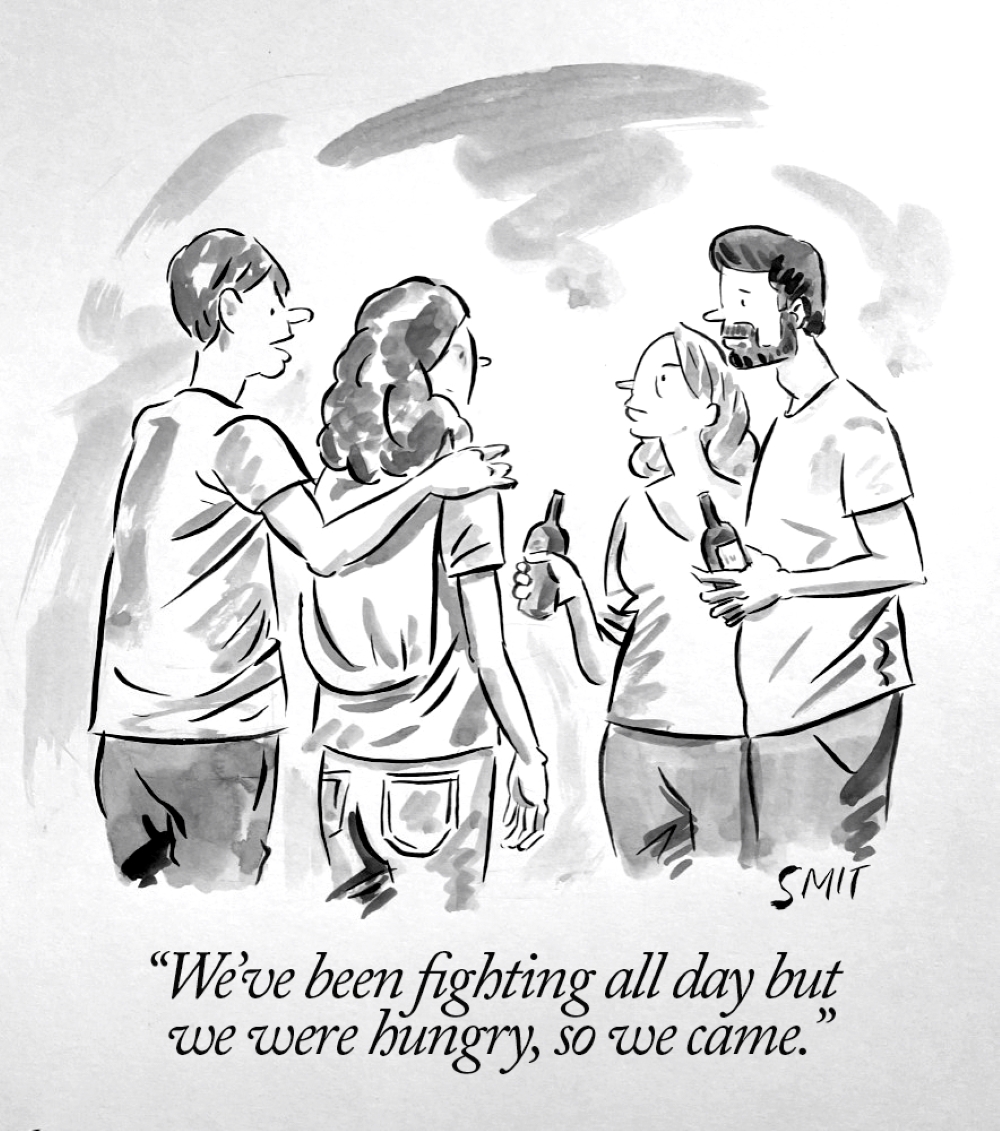
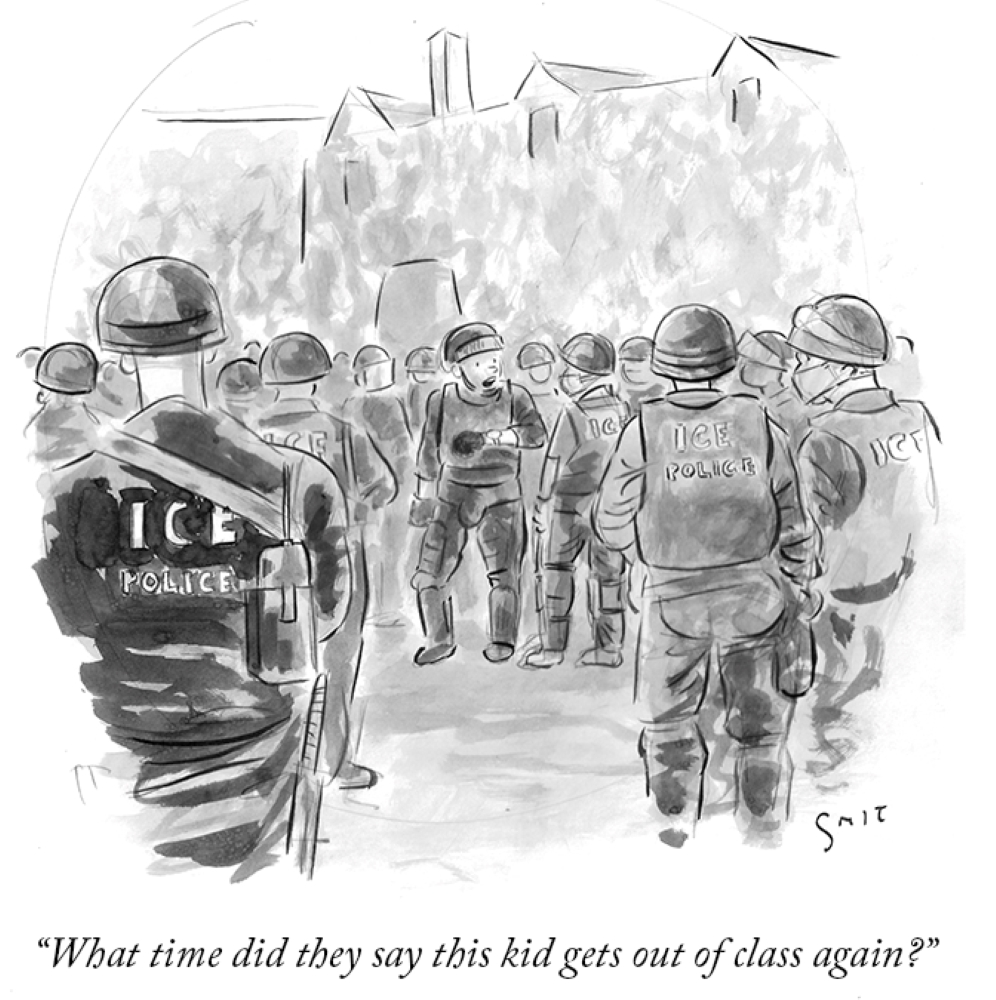
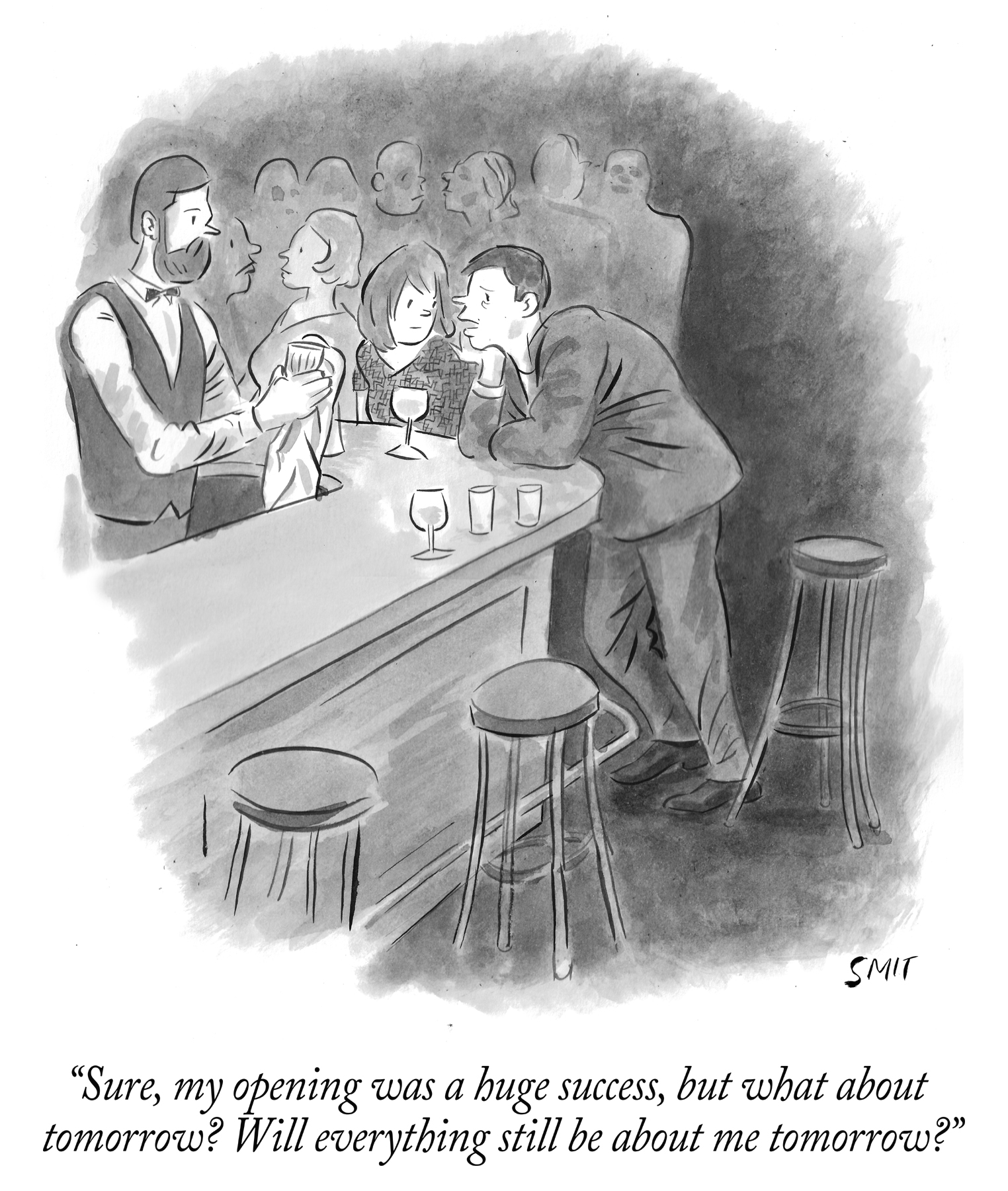
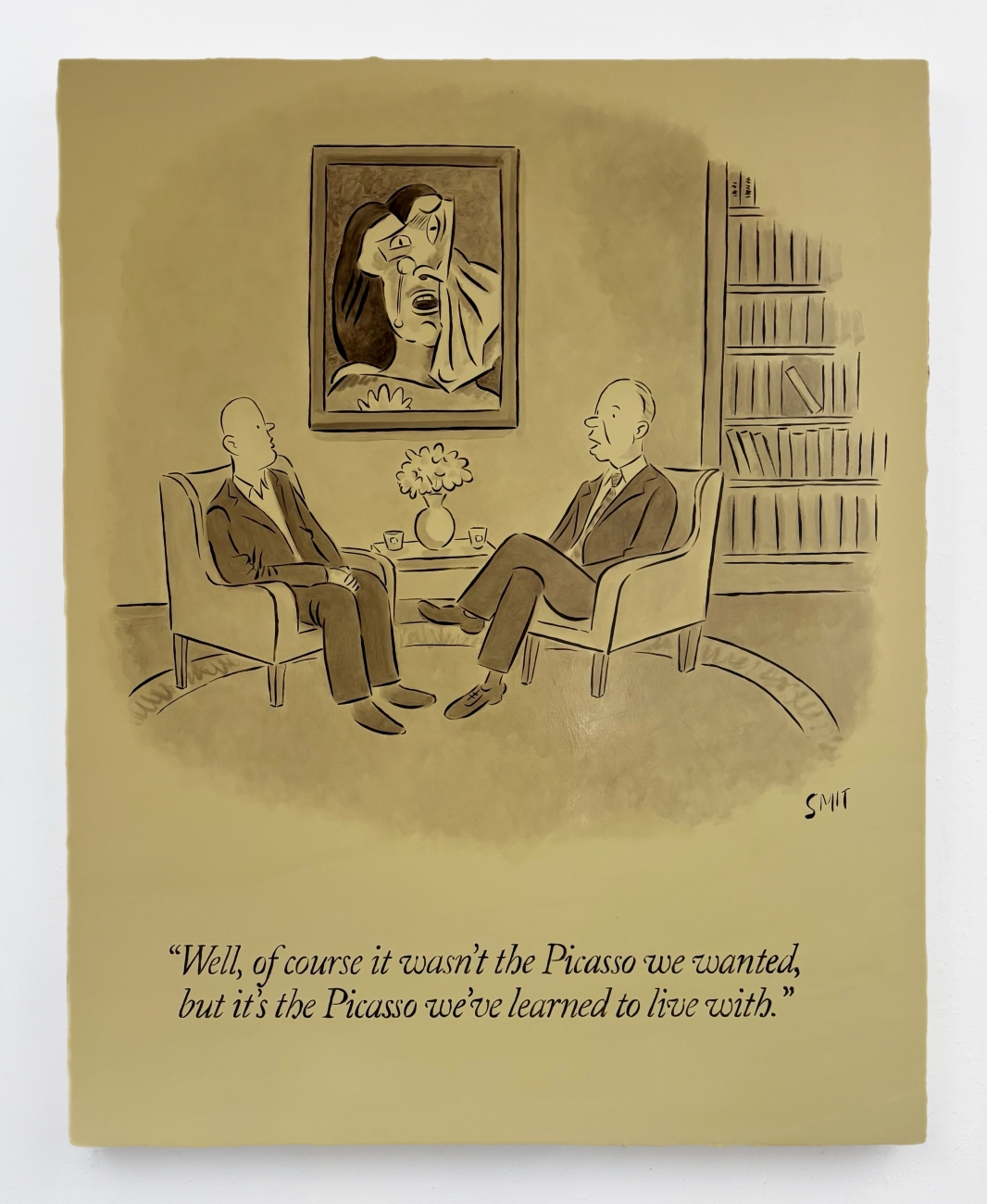
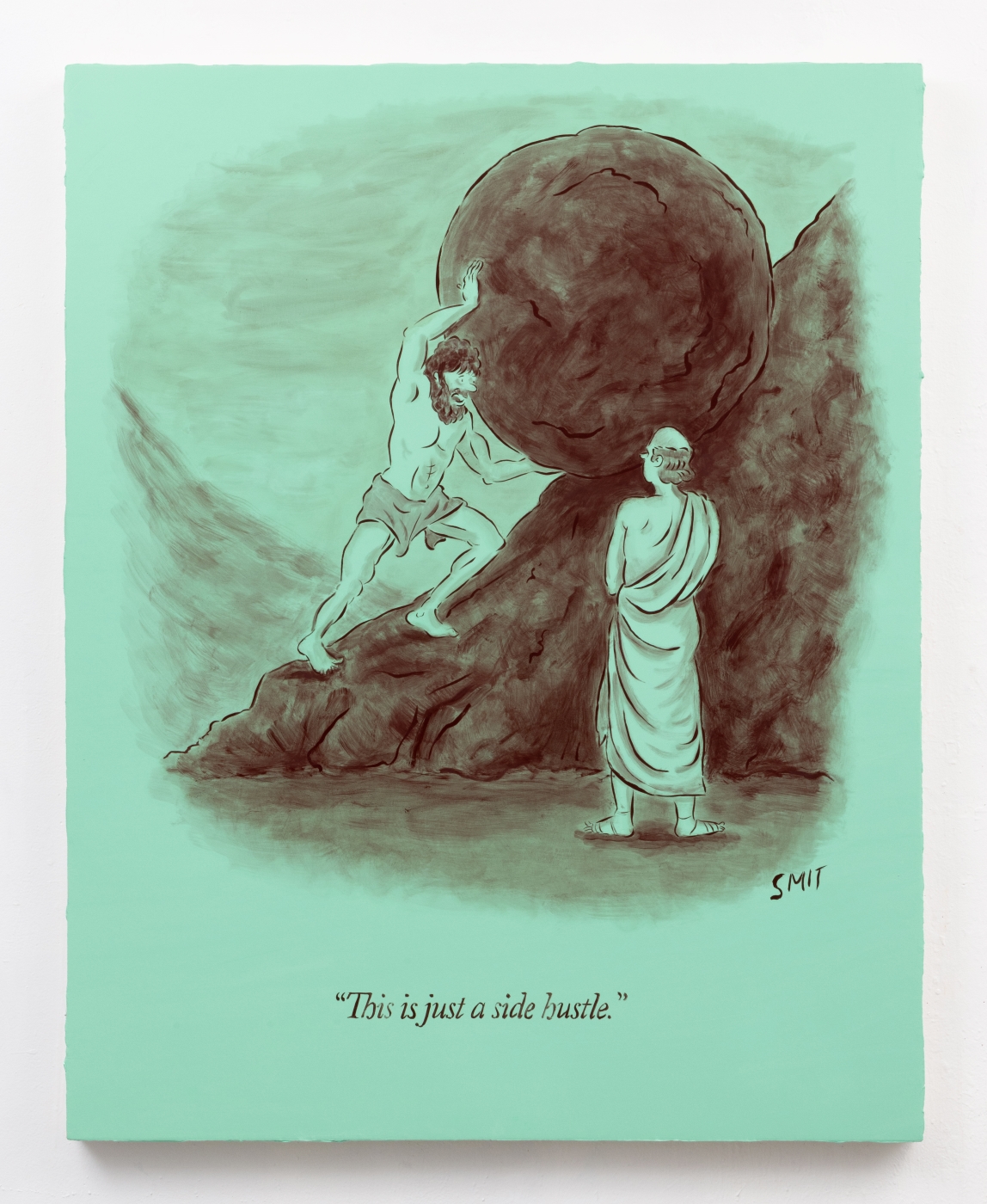
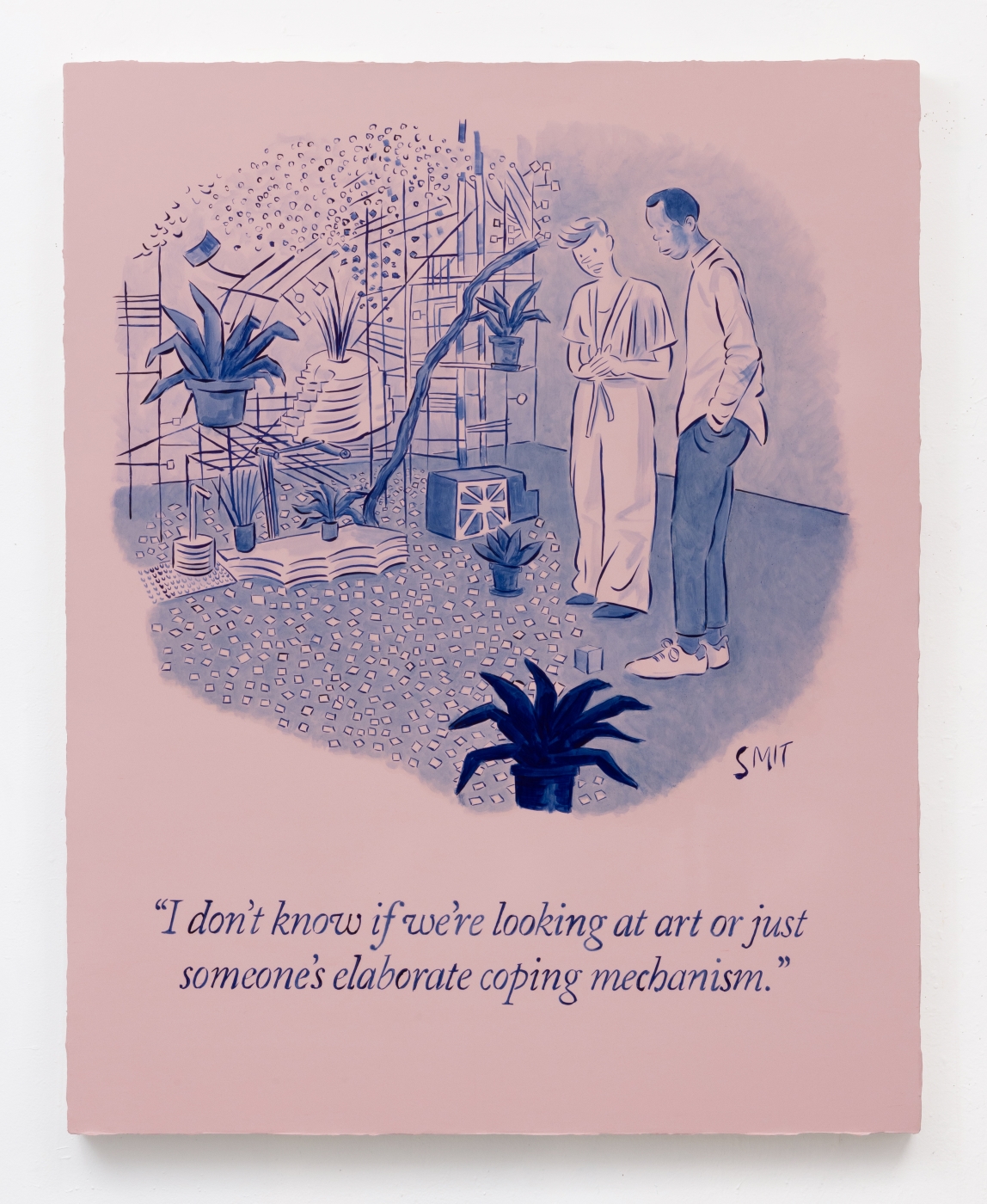
His admitted high self-regard, paired with self-awareness, which we identify as being rare; our respective experiences and takes on artist blowhards; his history with cartooning, going back to his obsession with gag cartoons, going back to a New Yorker cartoon book he read at his grandparents’ house when he was a kid; how he started making his own gag cartoons; the steps he took to build his cartoon portfolio, leading to getting published in the New Yorker after a year and a half of submitting (which is much quicker than some); the cartoon he made for the New Yorker website, the ‘Daily,’ that went viral (receiving 1500 comments, not to mention other viral stats), including getting re-created in Turkish by a Turkish cartoonist; how he actually sees the cartoons as sketches for paintings (and gets quite painterly in the making of them); how about half of his cartoons are more insider-baseball-art cartoons, and the one he made that references one artist that he had in mind, although several reactions interpreted it as another artist, whom Guy actually heard from, wondering if it was about them.

In the 2nd half of our conversation, available to Patreon Supporters of the podcast, you’ll hear Guy talk about:

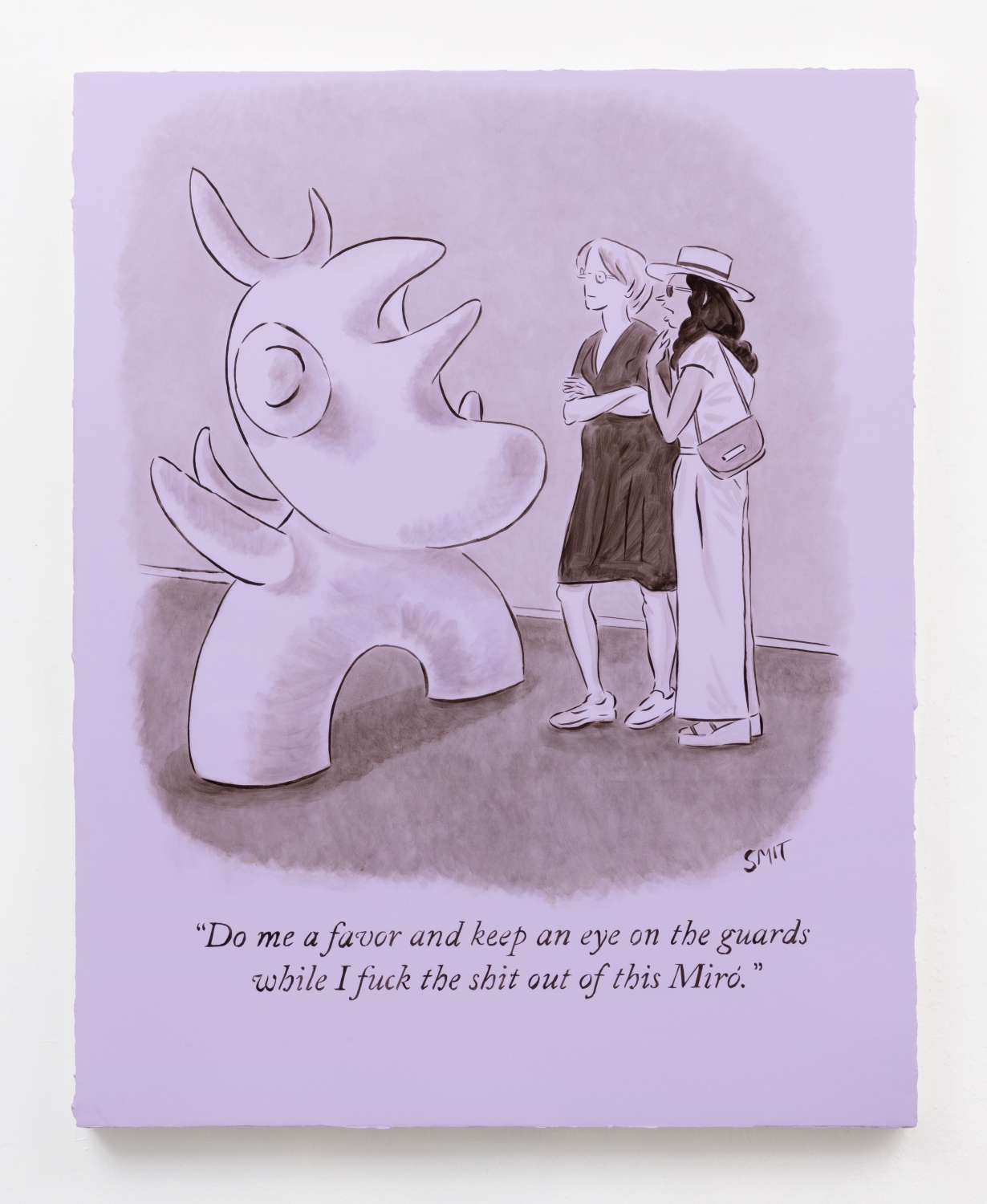
How the parameters for where art can come from have changed, and how humor in art is still held, especially in the U.S., as a bit off limits; how his desire to paint a rock led to his Sisyphus cartoon (every cartoonist wants to do a Sisyphus cartoon); his desire to make a put out cartoons that are beautiful, not really a quality that the cartoon editor, or even cartoon consumers, are necessarily looking for; why the New Yorker cartoonists haven’t been able to form a union, which is related to why there aren’t really any other high-profile venues for gag cartoons to be seen; how he didn’t have a gallery for 15 years, and was “forced to sell” his own work, using Instagram successfully for sales in the pre-algorithmic takeover era, when he got three to four times more engagement than he gets now (and thankfully for him he now doesn’t require sales thru IG as much); his new dealer, Adam Cohen, who opened the gallery A Hug from The Art World three years ago; and how wanting to draw a Miro sculpture led to one of his most popular and most responded to cartoons at the Independent art fair in NYC this past spring.

This podcast relies on listener support; please consider becoming a Patreon supporter of the podcast, for as little as $1/month, here: https://www.patreon.com/theconversationpod


In our continued dissection of the OLD NEWS, Emily Colucci and I discuss:

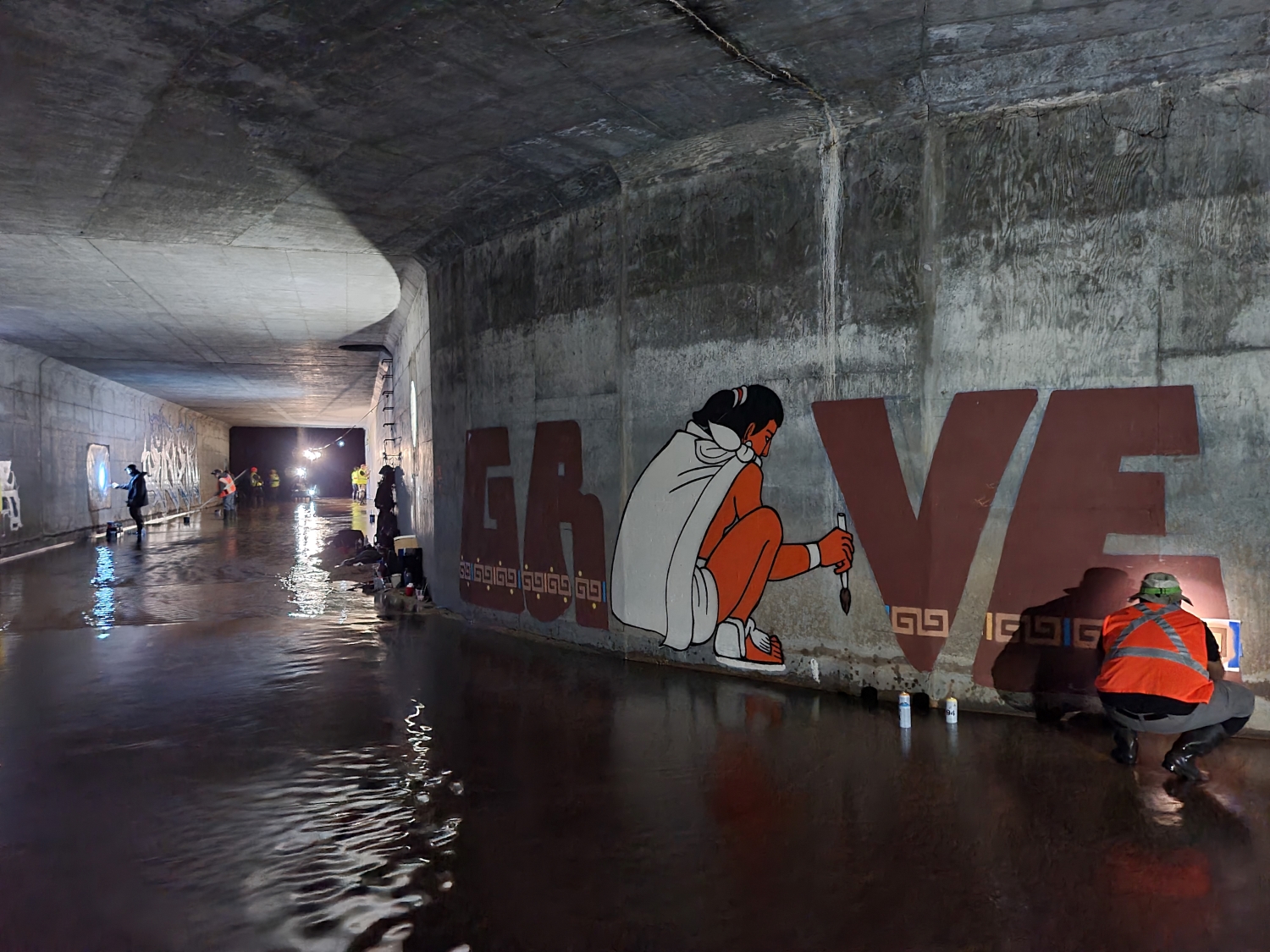
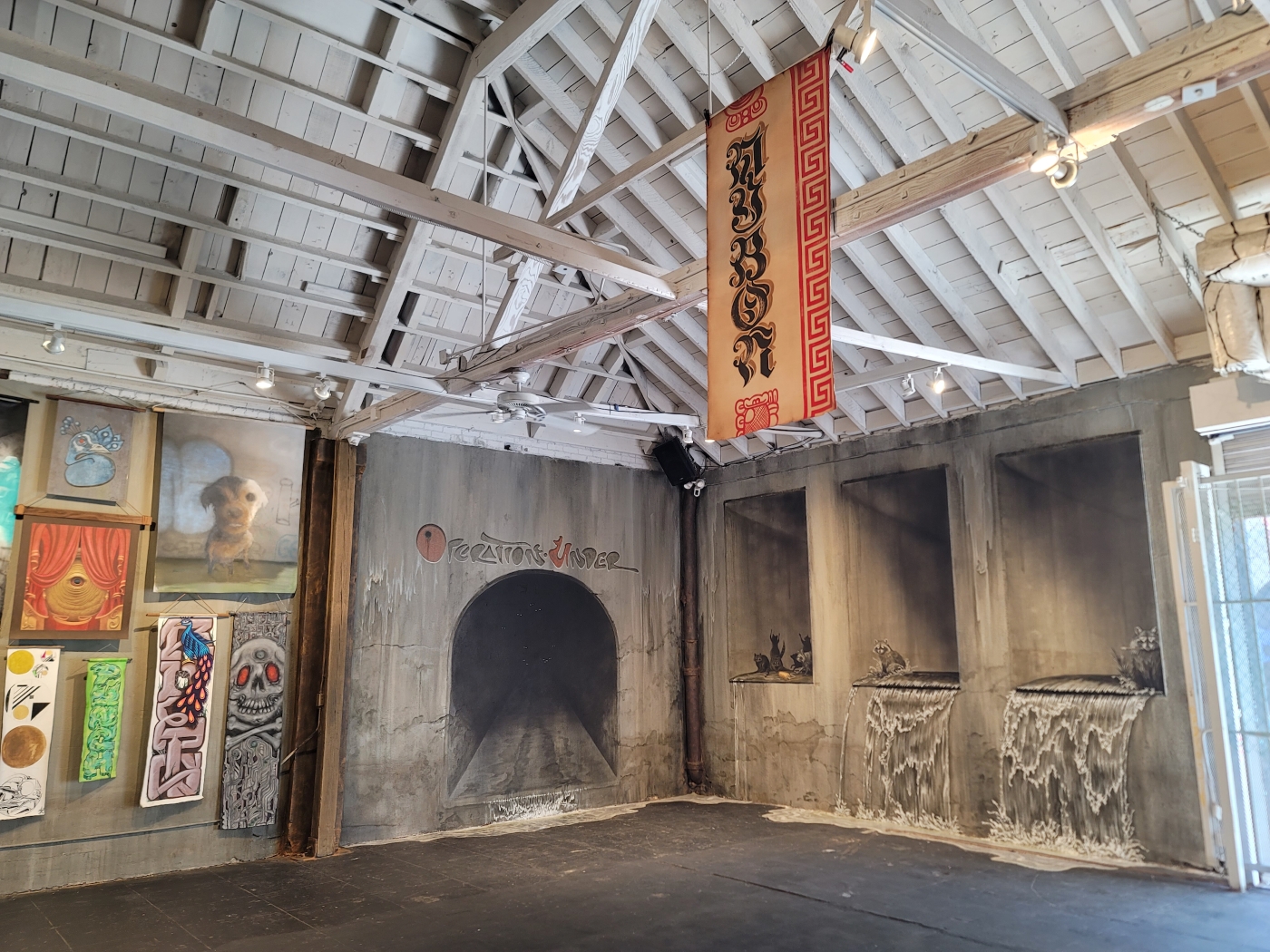
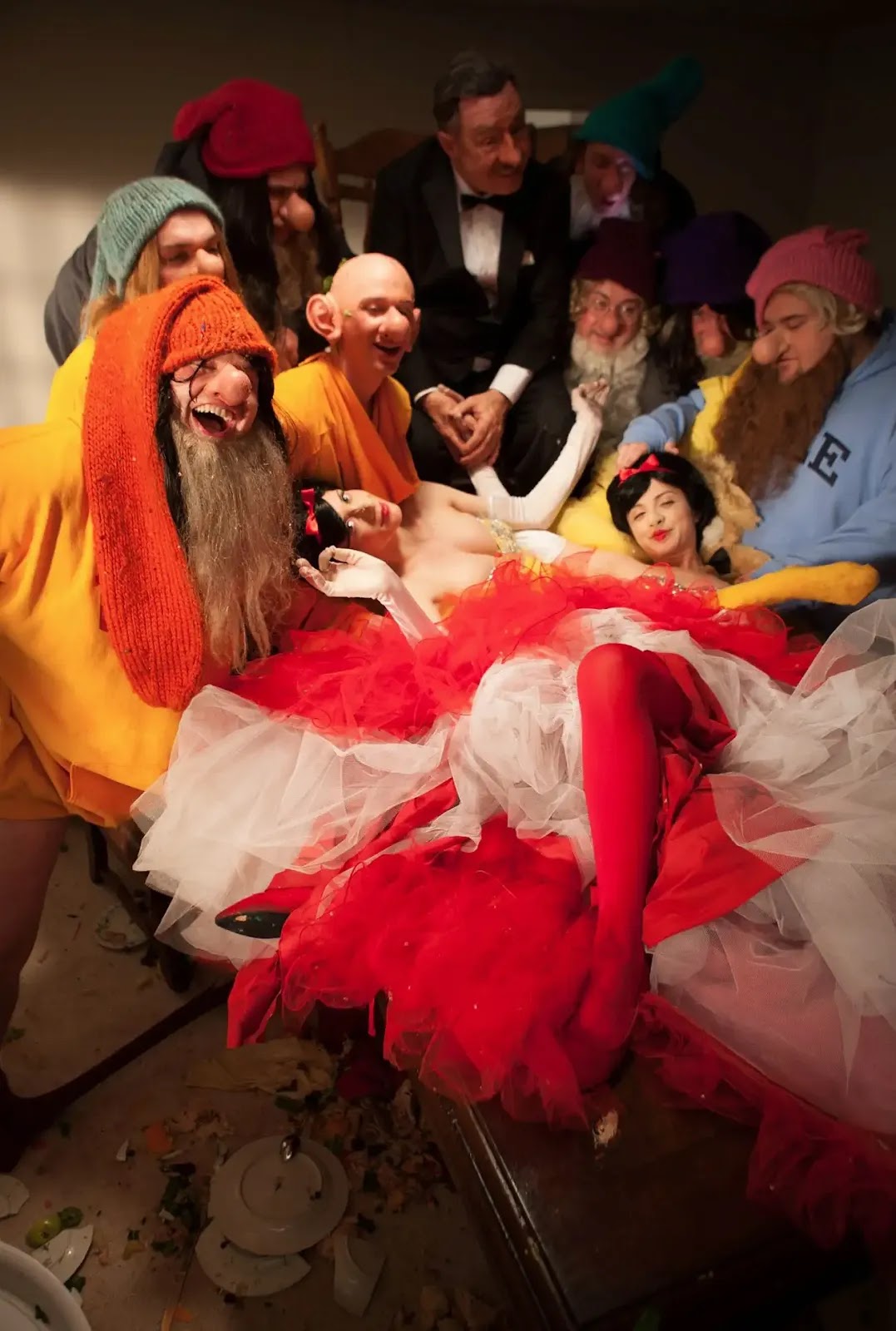
Indicted former art advisor Lisa Schiff and her upcoming bankruptcy auction, to be conducted by Phillips; how Paul McCarthy is slowly throwing out his immense artwork, WS (White Snow), because he can’t store the work any longer, and how he failed to get any museums to buy the work, ultimately deciding to throw the work out piece by piece, which is, of course, logistically challenging (it takes up 4000 sq. ft of space and contains some very challenging- (read: yucky) ephemera); the art of Operation Under, a collective of artists who make wall paintings in underground tunnels throughout LA County, in one case the writer (Matt Stromberg of Hyperallergic) encounters racoons both in painted form as well as the in-real-life, glowing-eyes kind; how one museum took to pairing smells with a pre-Raphaelite artwork exhibition (including ‘dewy grass’), and how it led viewers to stay with the work a significantly longer period than traditional scent-less art viewing.

This podcast relies on listener support; please consider becoming a Patreon supporter of the podcast, for as little as $1/month, here: https://www.patreon.com/theconversationpod