
To see video ofthe first 50 minutes of the episode, check out the YouTube page

Writer and Frieze editor-in-chief Andrew Durbin talks about:
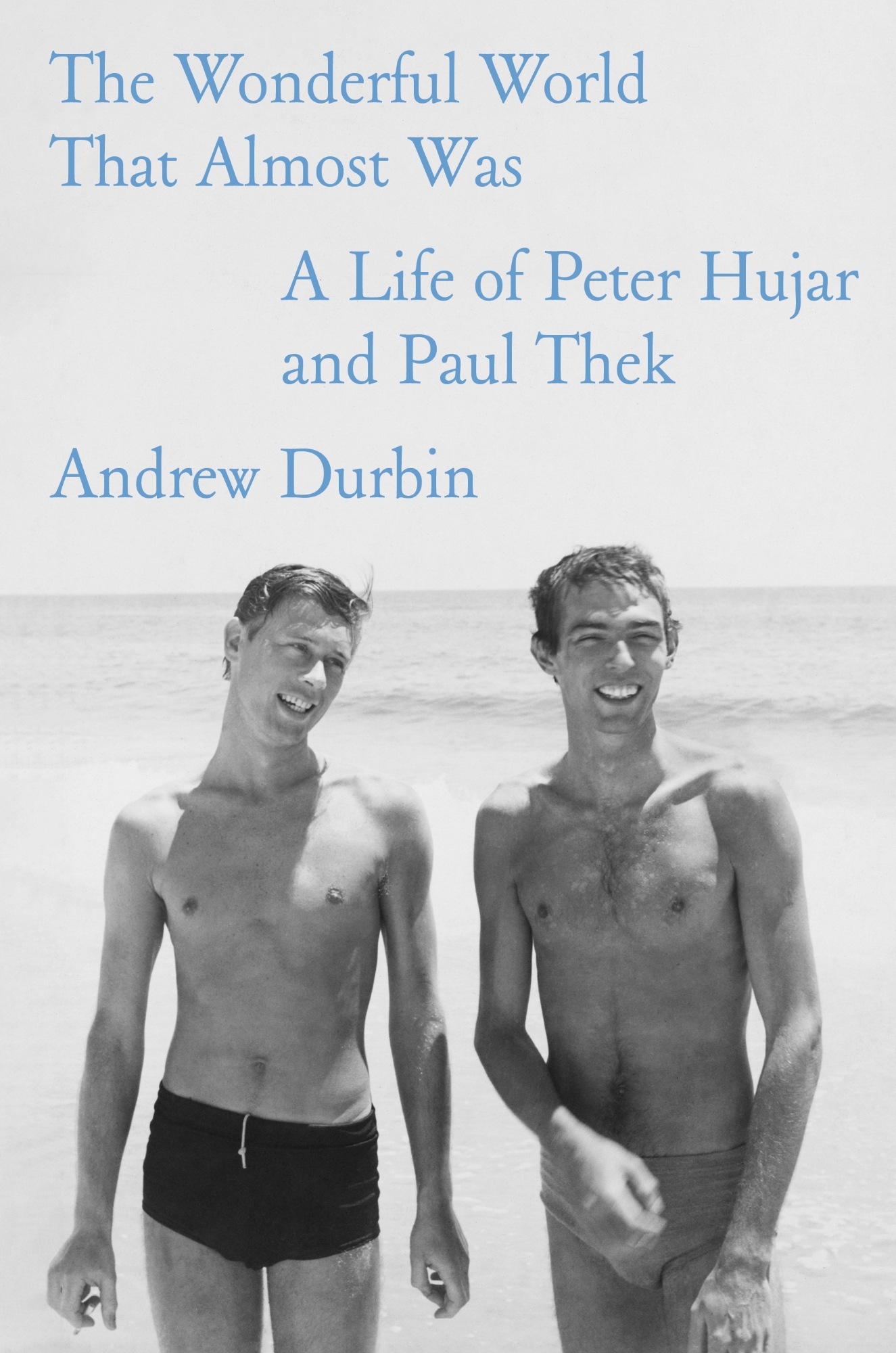
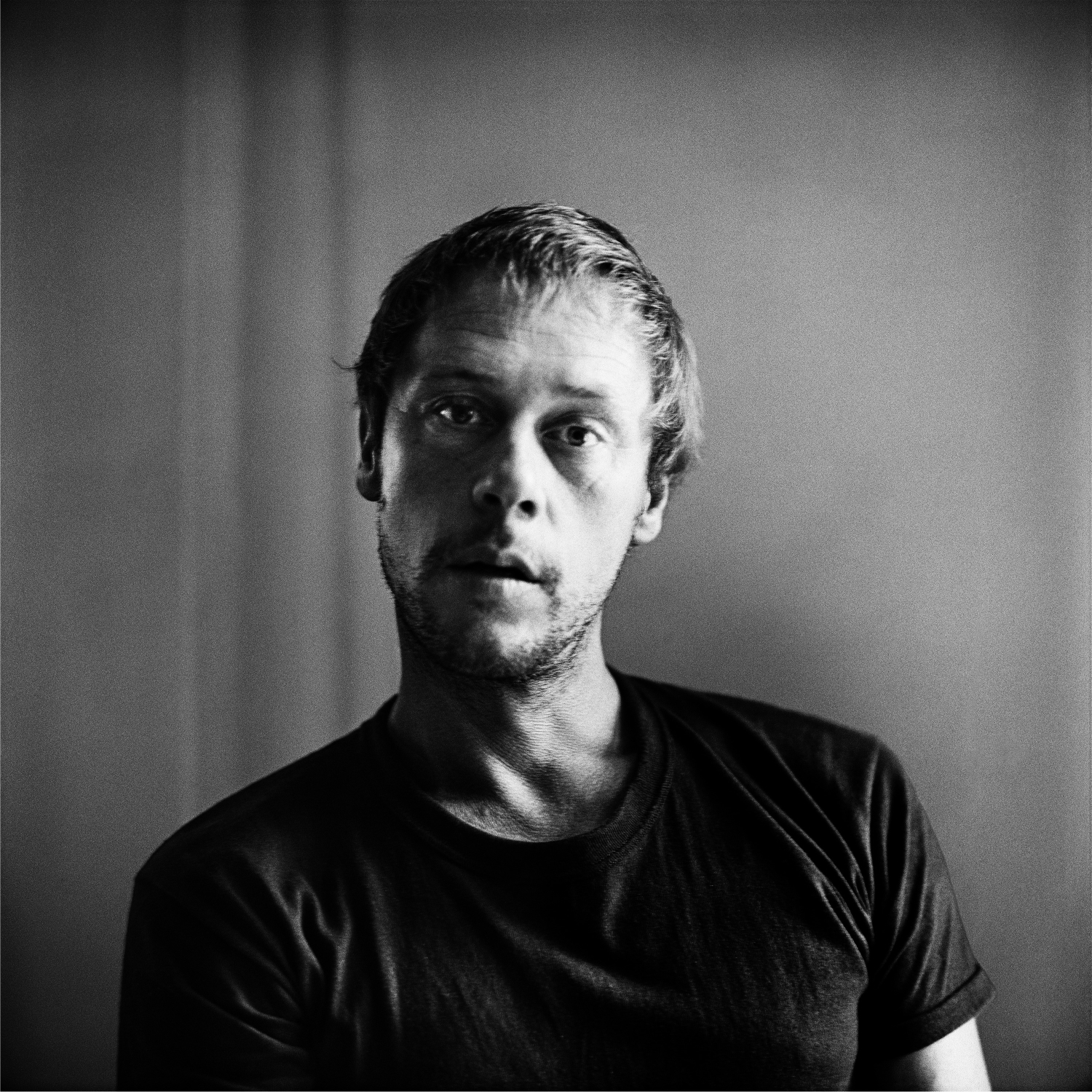
His book tour, which has been hectic; how he became familiar with Peter Hujar’s work initially, and why his and Paul Tek’s legacies really took off after their deaths; Peter’s persona and personality as someone who could be as charming and engaging as can be, but also someone who flew off the handle with a volatile anger at some in his life, and how he actually using photography to deal with some of that anger; how Paul Tek appeared to be thoroughly charming and quintessentially hippie-ish from the various television footage of him in interviews, despite his ultimate distaste for and rebellion against the hippie archetype, and how he had an ongoing contradiction in wanting to be around people and then wanting to get away (he often questioned the love of those who loved him), which he did prolifically, from Miami right out of school to various parts of Italy throughout his adulthood; Peter’s troubled relationship with his mother, who was emotionally abusive and neglectful, and whom was described by a boyfriend of Peter’s at the time as “very good at being unsatisfied;” how Peter learned much of his photography skills working in commercial photos studios in the ‘60s and ‘70s (including that of Richard Avedon) and eventually applied and expanded them in the darkroom for his own work, and to what extent Gar Schneider, his friend and the printer of the work in his estate, will make prints posthumously from the estate.
In the 2nd half of our conversation, available to Patreon Supporters of the podcast, Andrew covers:
The legacies of Peter and Paul, including via Linda Rosenkranz’s book “Peter Hujar’s Day,” which became a film by Ira Sachs, and how Andrew’s book may just be part of the rise in their respective public profiles; how he was more interested in and relied on their own memories of their childhoods (and adulthoods) as opposed to thru the lenses of family; how Andrew melded with his subjects, and how consuming and surprisingly somatic the experience of writing the book became, leaving him unsure how to re-fill his time once the writing finally ended; how thru writing the book he had to confront his own fears of AIDS, of death, and his insecurities, and the therapist who guided him gracefully through that process; how, despite the book being published by Farrar, Straus and Giroux, he still maintained his full-time job (editor of Frieze magazine), and in fact how much the book strained his finances, as biographies turn out to be expensive endeavors (with almost no opportunity for grants to support them); how the reason that Andrew’s book and Ira Sachs’ film (Peter Hujar’s Day) are coinciding has to do with a hunger for authenticity, including especially a yearning for a time (the ‘70s) in New York when artists could live together in a community and scrape by financially on whatever they made, a time long-gone but one that even some young people are aware of; iconic writer/cultural critic Susan Sontag’s relationships with Peter and Paul, the latter of whom became infatuated with her, and how Andrew showed her as ‘an intoxicating’ individual, and what that feels like; Paul’s complex relationship with his sexuality, to the extent that he often pursued relationships with women, whom he dated quite often but never got serious with, and how sexuality was something he may have tormented himself over; how the actor who played Peter in “Peter Hujar’s Day” could never fill Peter’s robust shoes, but at the same time how happy Andrew is for how many people the film has brought to Peter’s work; the differences between living in New York and London (where he lives now), including how London actually has more in common with Los Angeles in terms of its size and its more deliberate social dynamics whereas in New York you’re constantly running into people everywhere; and how he’ll finally be ready to transition to his next project once this one if finally done, as it’s been such an immersive, somatic experience.
This podcast relies on listener support; please consider becoming a Patreon supporter of the podcast, for as little as $1/month, here: https://www.patreon.com/theconversationpod