
To see video of the first half of the episode, check out our YouTube page.
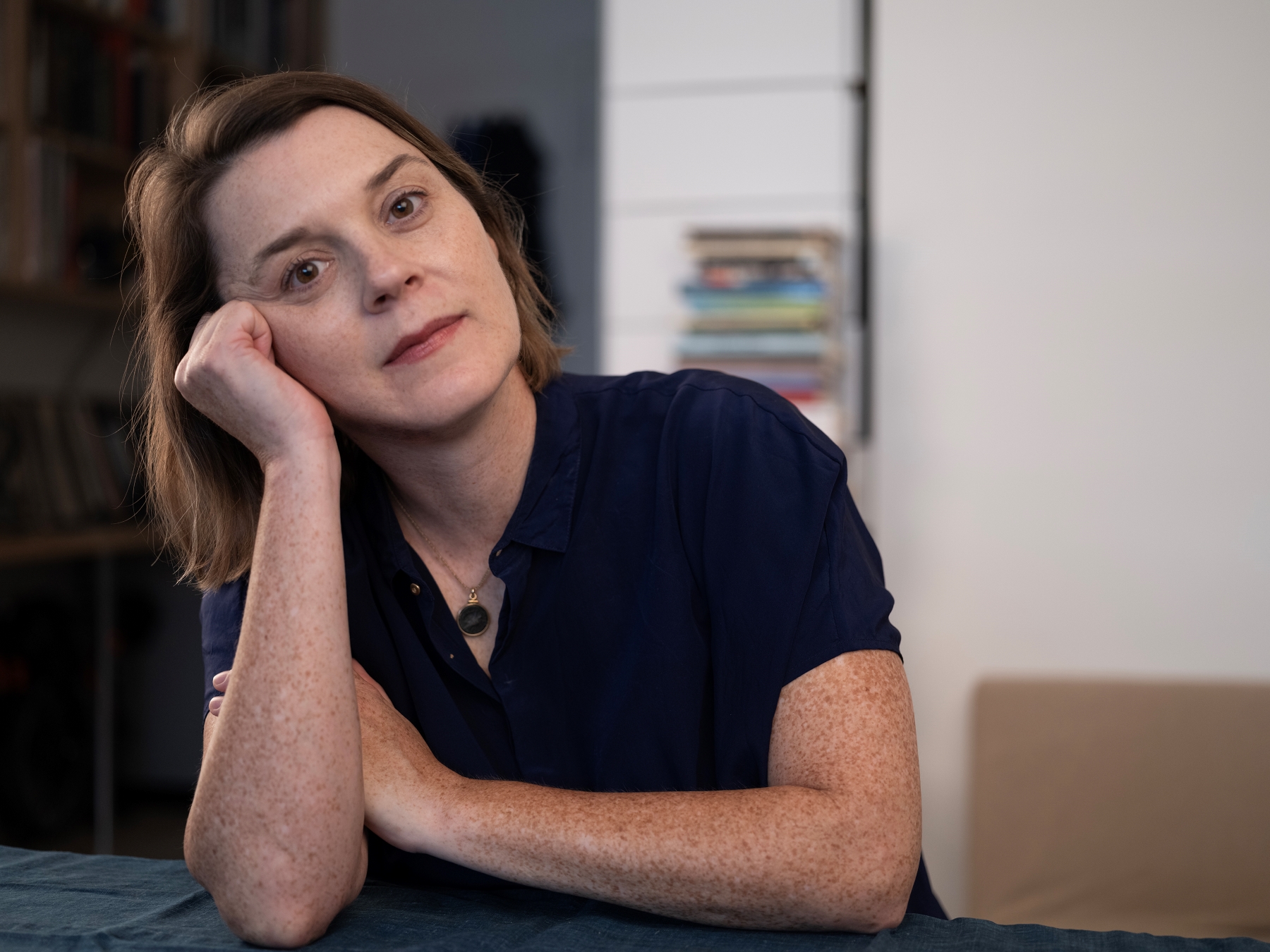
Hunter College professor and author of The War of Art, Lauren O’Neill-Butler talks about:
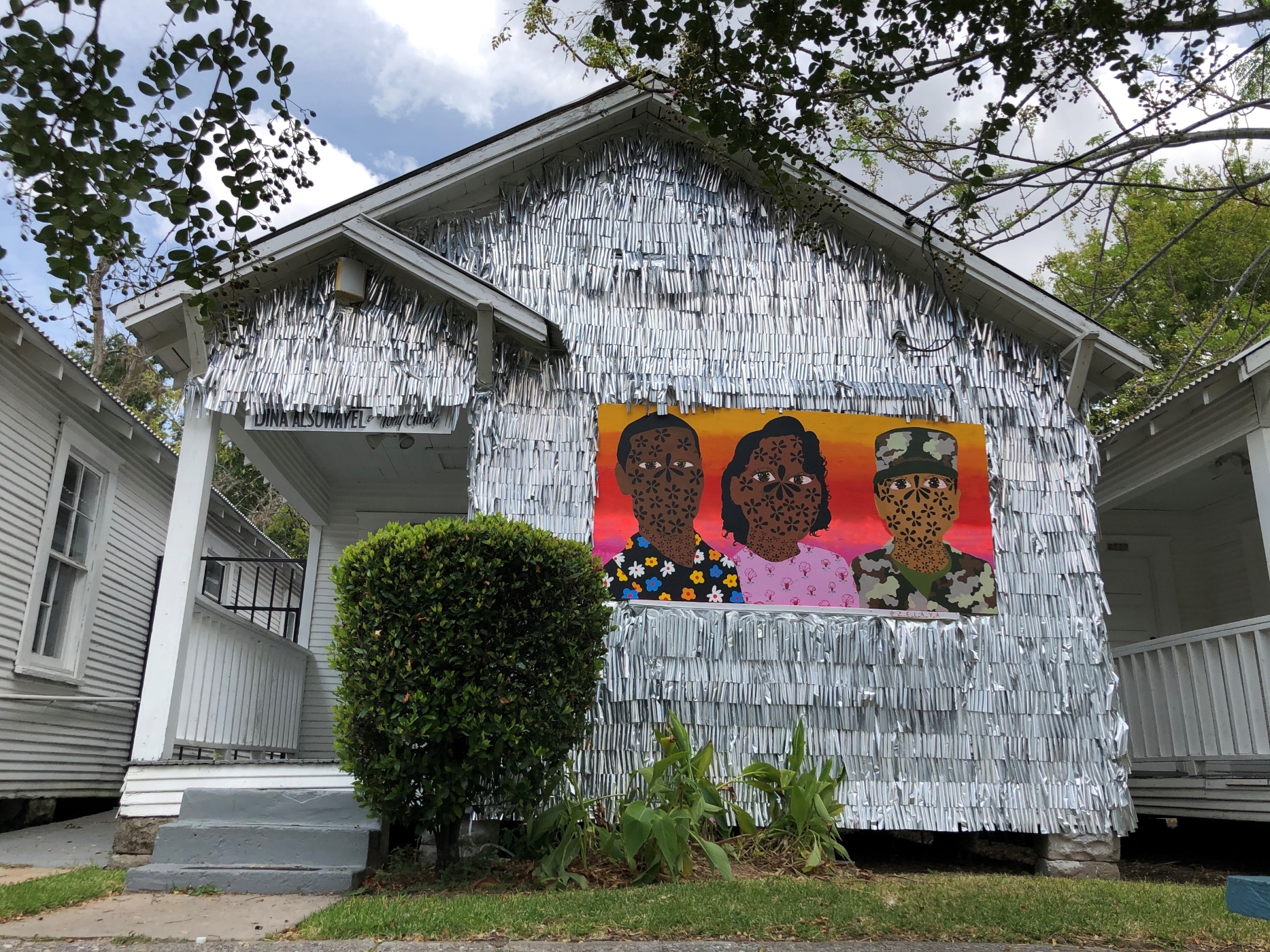
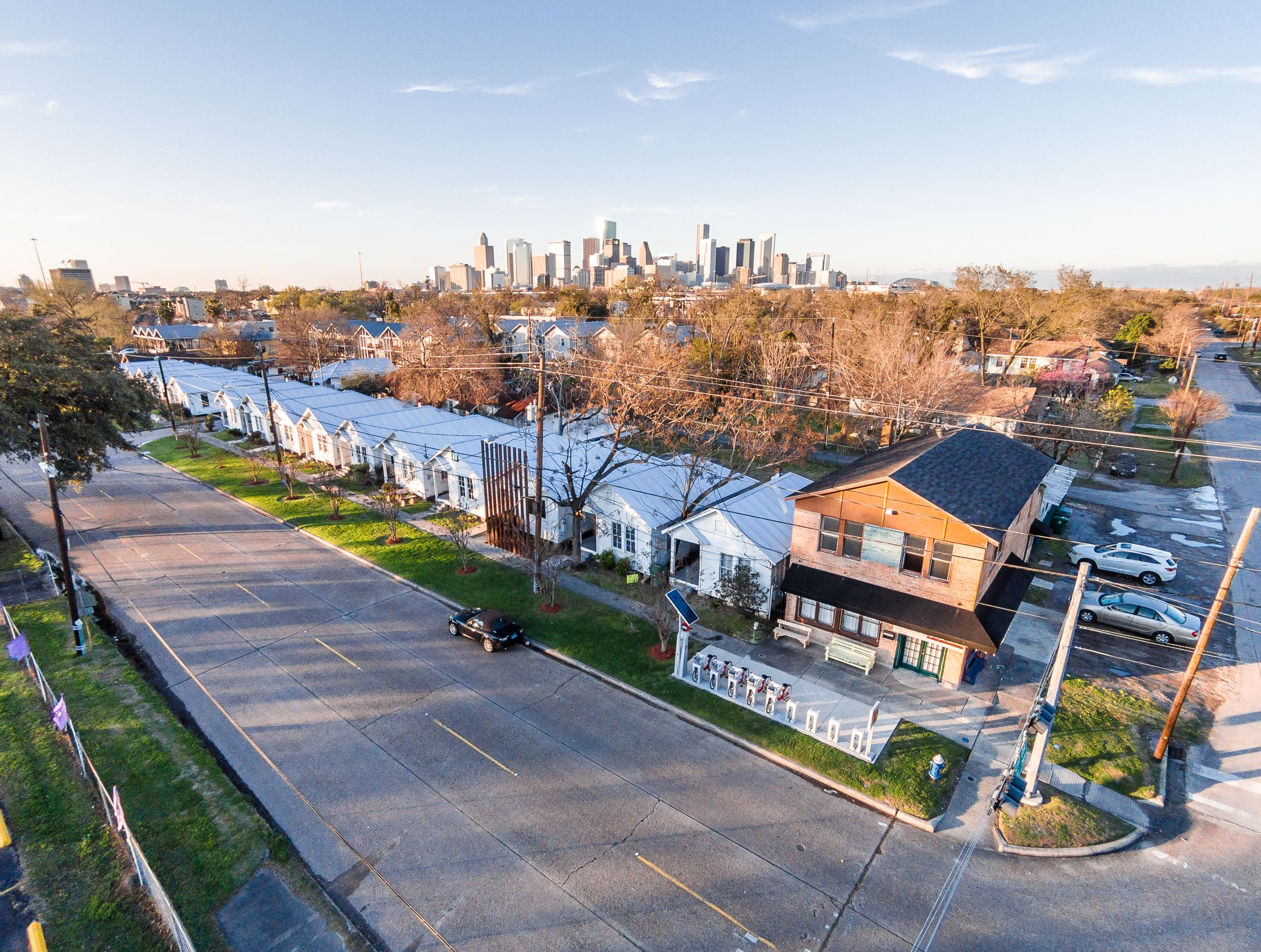
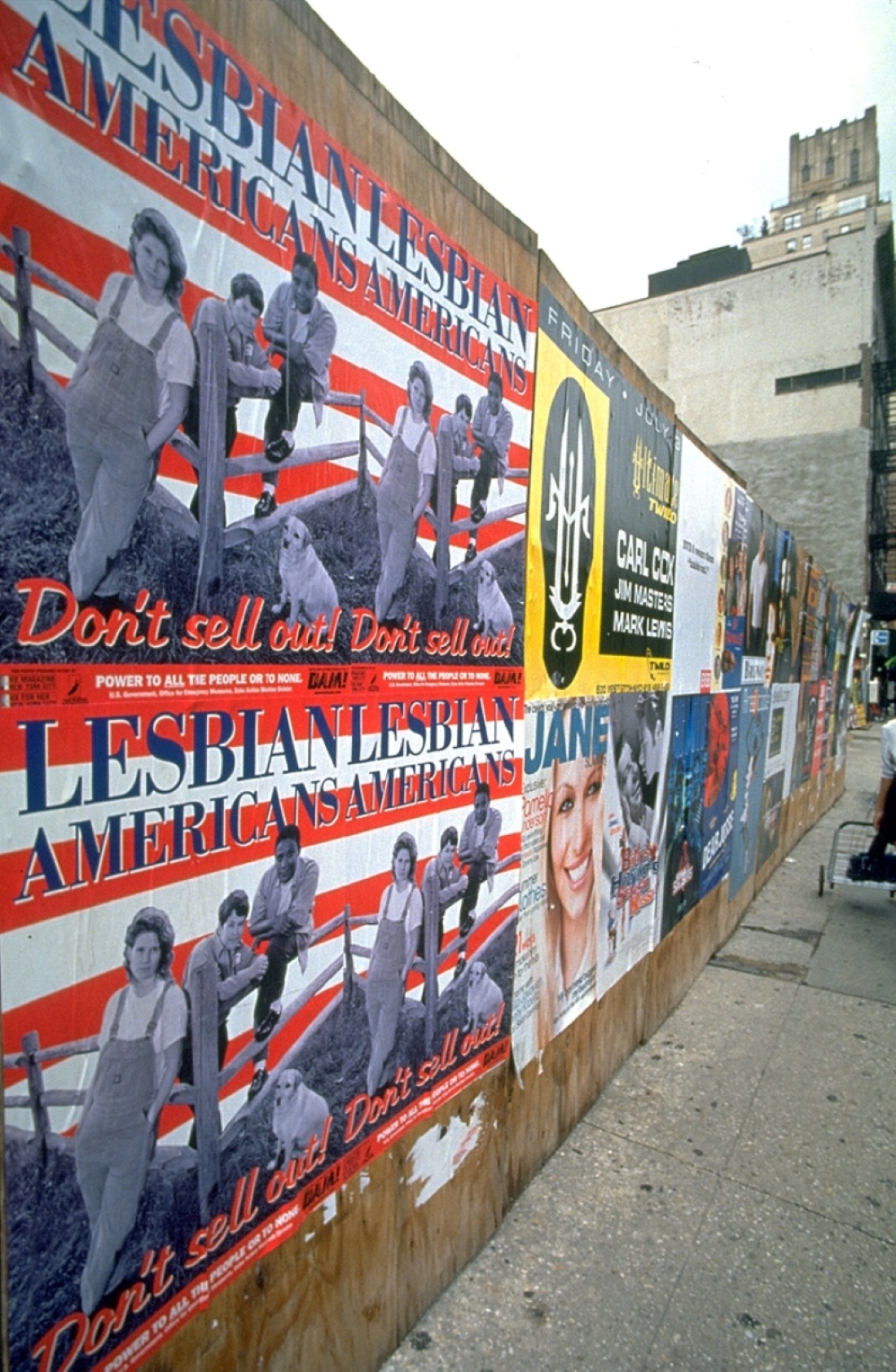
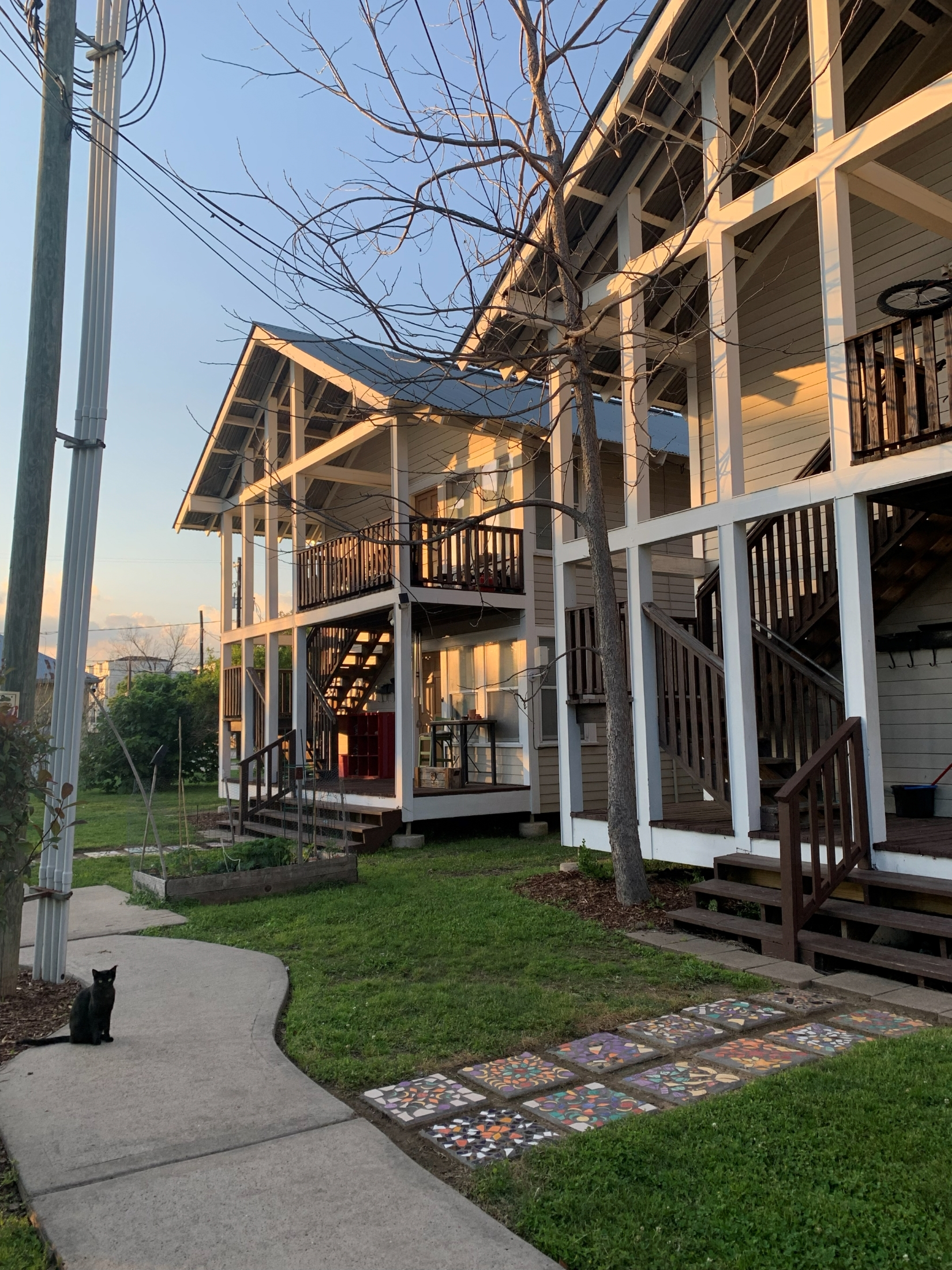
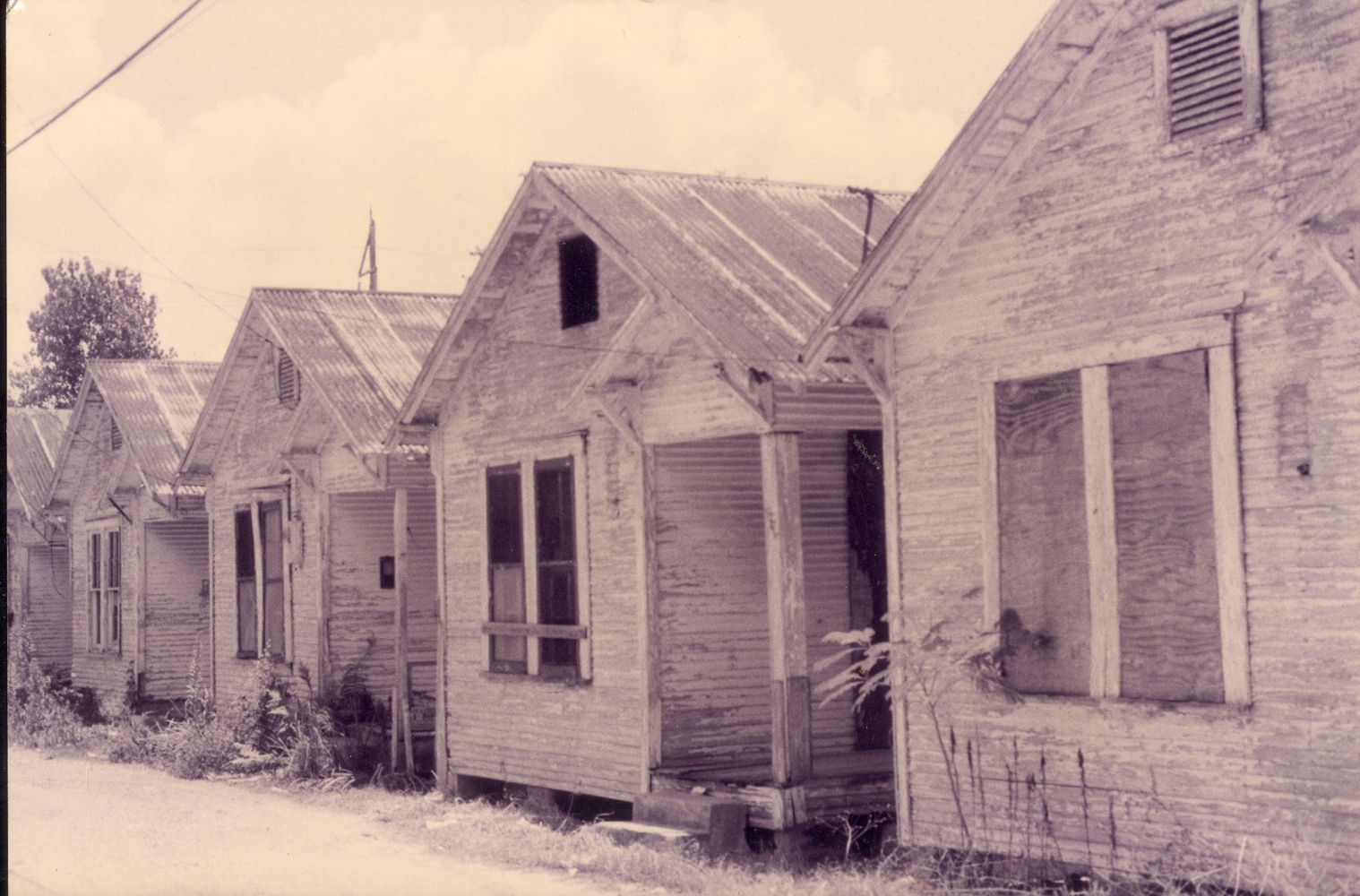
Her 12 years at Artforum magazine, including its balance between advertising and hard-core art writing, and how her chapter on Fierce Pussy was written while at Artforum; the classes on Activism she’s taught at Hunter College, which were not to get students to become activists but to make them aware of its history and context; how teaching activism and writing the book were both ‘rage containers’ but also ways to inspire difference; how activisms ‘expire,’ including in the case of her colleague Carrie Moyer, whose hardcore activism (including her campaigns for Dyke Action Machine) lasted two years and followed by going back to the studio and making abstract paintings; the difference between ‘activists’ and ‘artists activists,’ which culminated in a question at one of her book events at the New York Public Library: “why are you focusing on artists? What makes them so special? Why can’t you talk about other activists too?” and how, in addition to bringing an aesthetic to their activism, as part of the answer, artists are beleaguered; the seminal moment in the artist Rick Lowe’s career, when a student living in the 3rd Ward of Houston asked him why, as opposed to just showing them the problems in their neighborhood that they were already aware of, wasn’t he being creative about coming up with solutions?; her contention that all art is political, but what does an artist’s role look like in terms of their actions; how there’s no purity in America and no purity in activism, and how Project Row Houses wouldn’t have become as robust without the corporate effort; Sarah Schulman’s recent writing on the importance of solidarity, and how the left keeps pointing the figure and keeps eating itself; what Project Row Houses looks like, including the mix of affordable and market rate housing, artists who live in them, and expensive condos recently going up in the neighborhood amidst preserved housing in the 3rd Ward of Houston.
In the 2nd half of our conversation, available to Patreon Supporters of the podcast, Lauren covers:
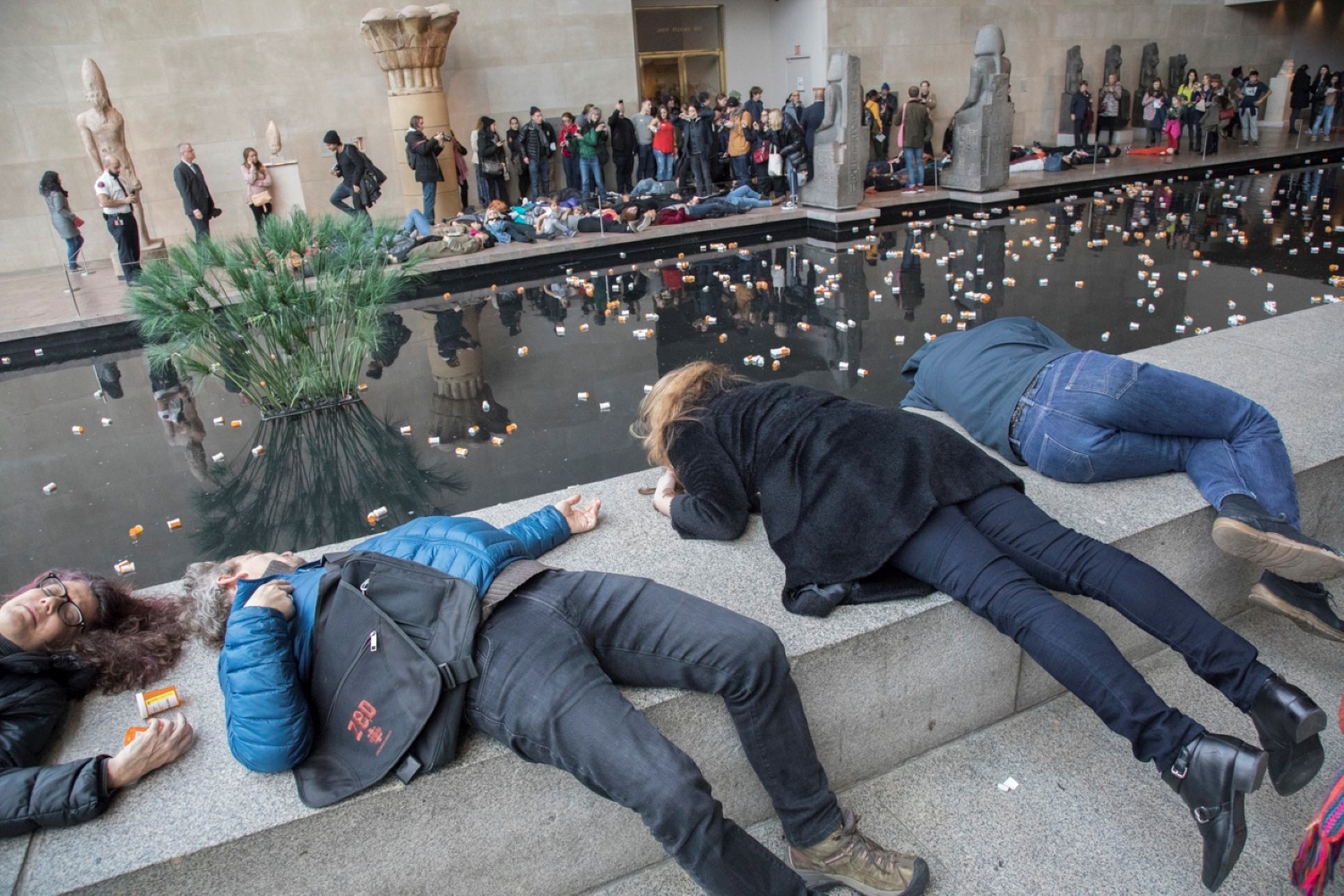
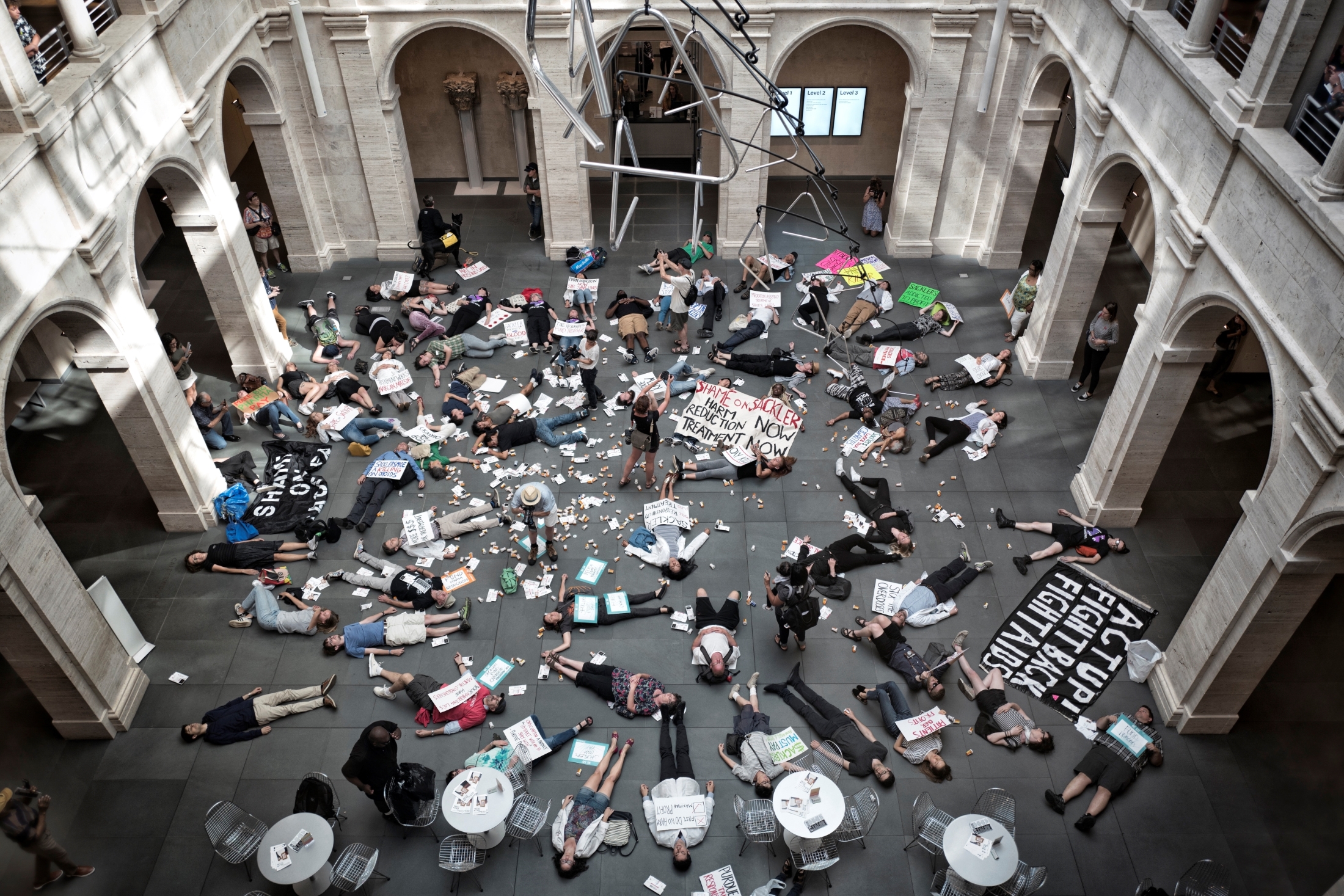
Why she included (former guest) Ben Davis’s critique of Project Row Houses, along with a contextual framework on the challenges of limiting the effects of gentrification, primarily as a way to point out that it isn’t artists who are the problem fixers, it’s our government representatives; for Rick Lowe and Project Row Houses, it was about trying to do better for the locals; the highly influential and impactful activist organization P.A.I.N. (Prescription Addiction Intervention Now), started by artist Nan Goldin, which was instigated by the terrific irony of the Tate Museum, with £4 million in donations from the Sackler Family Trust, purchased Goldin’s “The Ballad of Sexual Dependency” at the same time as she was addicted to Oxycontin (the highly addictive pain medication that led to an epidemic, of which the Sacklers are known for); the successful objective of P.A.I.N. (which is a non-partisan group despite it being formed by a politically progressive artist) to eliminate the art-washing of the Sacklers by putting their names on so many museum wings, and in turn what it was like for PAIN members to attend the protests with fellow protesters who were in very different cultural spheres, including hard-core trumpers; how savvy PAIN was in cultivating and working with the press, which really got their actions thoroughly covered, and even their private meetings were recorded, which helped provide lots of content for Laura Poitras’s documentary on Goldin; how Lauren uses YouTube video footage of the PAIN protests, which were so well thought out and dramatic, in her classes; why she didn’t right about the Stop Oil! Activist actions in museums (because it’s mainly taken place in the U.K.); how the effectiveness of a protest depends very much on the press coverage and the level of circulation of the images from a given action; how most activisms have a figurehead (Goldin), and how it matters, for better or worse, when there’s a public-facing person in a group; how successful activism depends on bringing in new blood and new ideas, and how big a factor burnout is for activists; the state of agitprop, or postering, today vs. the 90s- Carrie Moyer and Sue () of Dyke Action Machine would say that the street postering they did wouldn’t work today, because there’s just too much visual noise, and Lauren’s nostalgia for the 90s for those reasons; the ‘Secret Handshake’ sculptures of trump and Epstein that have been making the rounds on social media around the world, work which she hates but recognizes as effective nonetheless; the hostile takeover of the New College of Florida, Lauren’s undergraduate alma mater, by governor Desantis, and how she’s been part of the alumni response to the takeover including the forming of nonprofits, a project that is very close to her heart and how she’s been involved in it for the past three years, and the struggle of the school was recently featured on “Last Week Tonight with John Oliver.”
This podcast relies on listener support; please consider becoming a Patreon supporter of the podcast, for as little as $1/month, here: https://www.patreon.com/theconversationpod