
If you’re new to Useful Art, a great resource is the Association of Arte Útil a recipe book for Useful Art making/projects/thinking/learning https://arte-util.org/
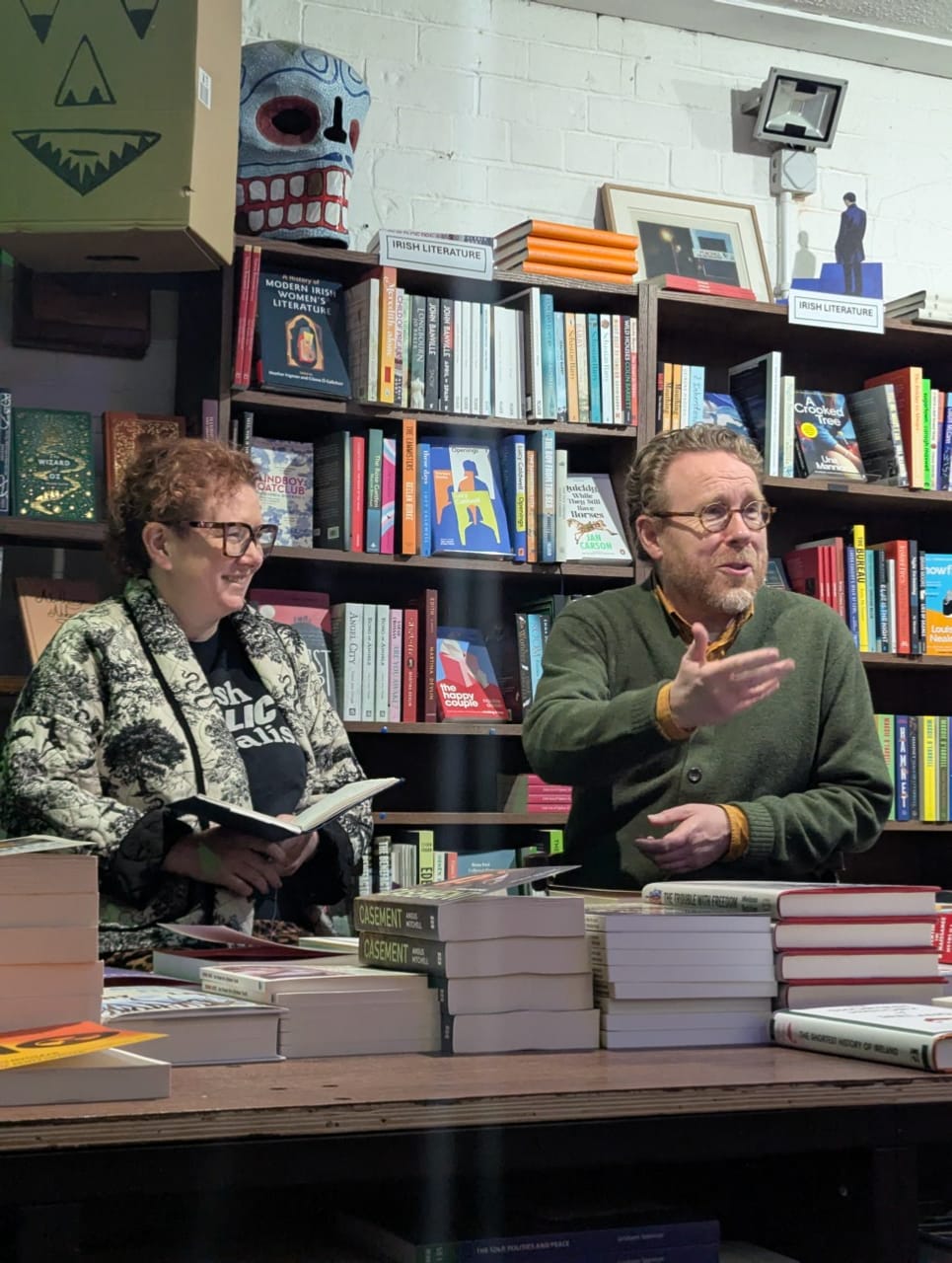
John Byrne, author of “Useful Art- How Activist Artists Can Change the World,” and professor of Useful Art at Liverpool John Moores University’s School of Art and Design, talks about:
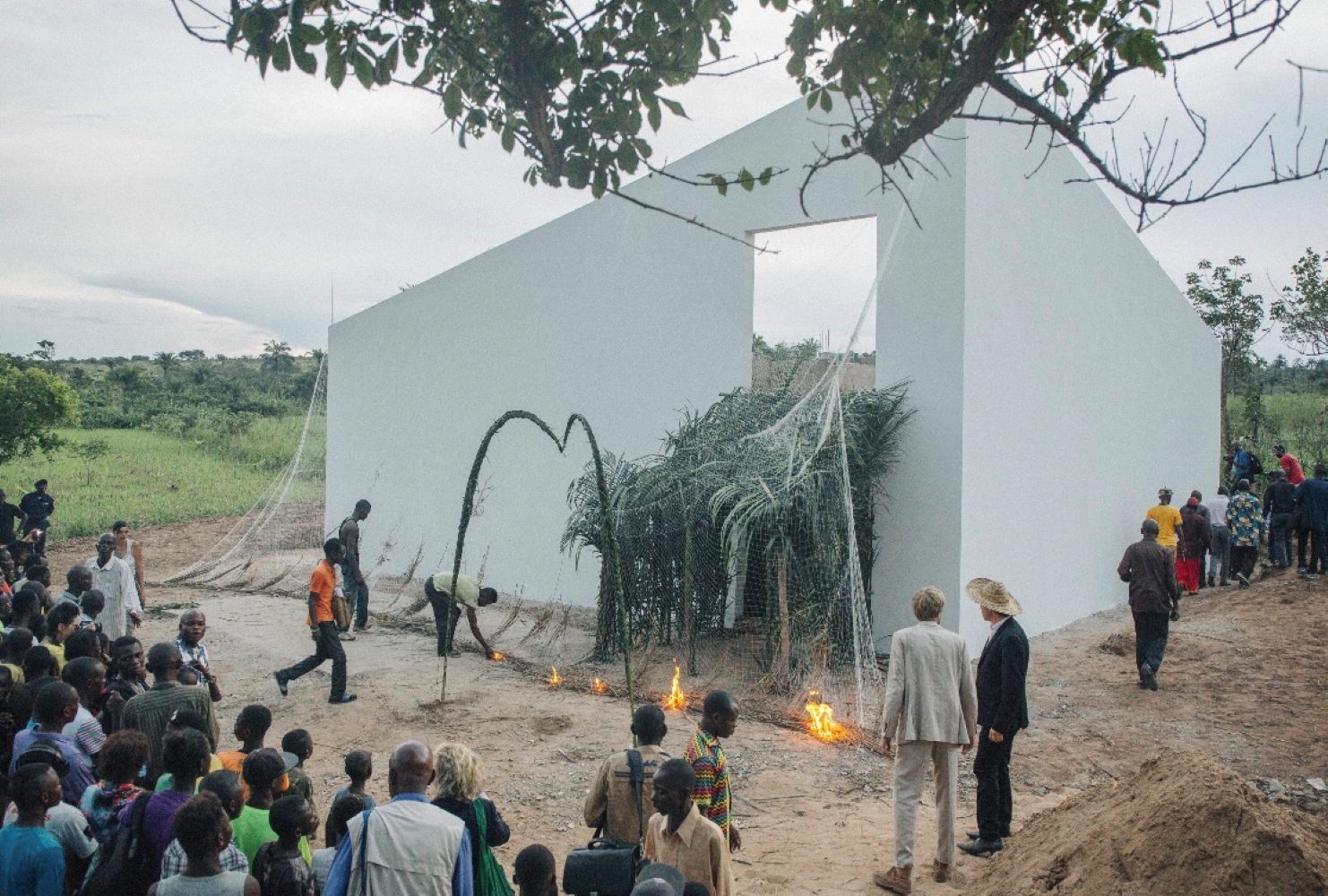
The city of Liverpool and its art community, with about 20 total galleries, and how he fits into it; where he’ll be book touring the book; a key framing in the book, being in a ‘neo-liberal occupation’ that we live under, which has a huge impact on the culture industries and means the financialization of essentially everything; the surprising pushback there’s been at conferences and other events where Useful Art is discussed, including a lot of resistance from those in the art world who may feel that their positions of power are being threatened; the complex but far too under-considered distinction between “use value” and “aesthetic value,” and why it’s worth considering “use value” as a legitimate part of art-making (and which can even somehow manage to incorporate some aesthetic value); how one of the things he’s interested in is having a radical re-think of what aesthetics are but also what they can be; some among many Useful Art projects, including by individual artist Tania Bruguera and Indonesian collective Ruangrupa, which curated Documenta 15, and how they came to be as a group…and, in turn, what the effect of having Ruangrupa curate that Documenta, which was an adventurous choice of curation, a role that John has heard described as “the curatorial Everest.”
In the 2nd half of our conversation, available to Patreon Supporters of the podcast, you’ll hear John talk about:
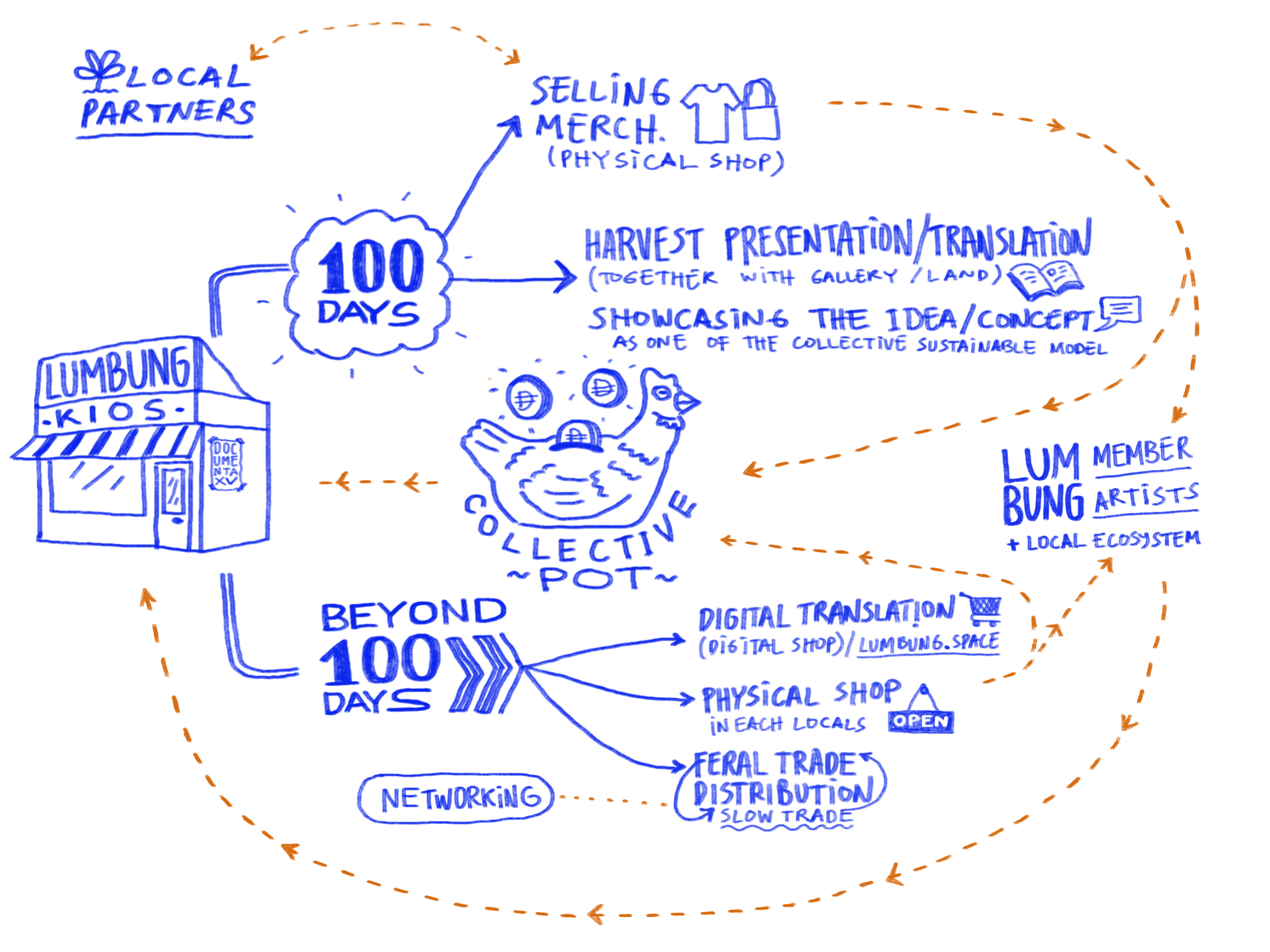
How the Indonesian art collective ruangrupa came to be, a very unusual trajectory even for a collective, as they didn’t grow up in a culture with contemporary galleries or museums (though they did go to art schools abroad), but had a goal to make a living as artists through the collective, more specifically the “lumbung,” equivalent to a co-operative; how the controversy that arose from a single figure with a swastika in the much, much broader scope of ruangrupa’s curation led to calls of anti-semitism which overshadowed that Documenta from an outsider’s and the press’s perspective, and how John believes this distraction was used by many as a way of avoiding discussing some of the core meanings and significance of ruangrupa’s contributions to the vaunted art event; the importance of “switching the aperture of the Overton Window,” a term he mentions several times, which is about re-orienting your settings in terms of shared understandings of what big concepts are, like Art with a capital A, and how venturing into Useful Art doesn’t in any way mean excluding being an individual artist who works solo- they can exist simultaneously; it’s also that if we don’t open up and expand the definition of what an artist can be and art can be and who can make it, we run the risk of surrendering Art to the neoliberal occupation; his interest, back in the day when he was a young person, in DIY culture (Rough Trade Records, et al.) and how that’s a good analog for Useful Art projects; the artist Ahmet Ögüt, a former student of John’s who started The Silent University, a knowledge exchange which evolved into a significant cultural platform; Tania Bruguera’s project for the Tate Modern which entailed accessing/experiencing police horses and their corralling, and how inside the institution it follows certain basic and old-school protocols, whereas she also has done several projects outside the institution/into the street/community; the concept of 1:1 Scale Art, which the critic Steven Wright appropriates from a Lewis Carol story, in which a map is produced that is so elaborate that it covers everything that exists in the ‘real world’ of that map, and Wright takes that perspective and applies it as the idea that artists jettison making representations of the real world, and instead affecting change in the real worlds itself (one of the cruxes of the book), which the art world hasn’t been able to understand because of the condition of neoliberal capture; a former student who’s working on a project in which public libraries become spaces of the Commons, open to all kinds community members including especially those on the margins (whether pensioners, immigrants, etc.); and how posting some of the entries from the Association of Arte Util in open community meetings/events has been a great starting point – another bringing someone in to introduce a skill – to get people engaged in a Useful Art project and think and live artfully.
This podcast relies on listener support; please consider becoming a Patreon supporter of the podcast, for as little as $1/month, here: https://www.patreon.com/theconversationpod