Jersey (UK) native and Hamburg, Germany-based artist Lulu MacDonald talks about:
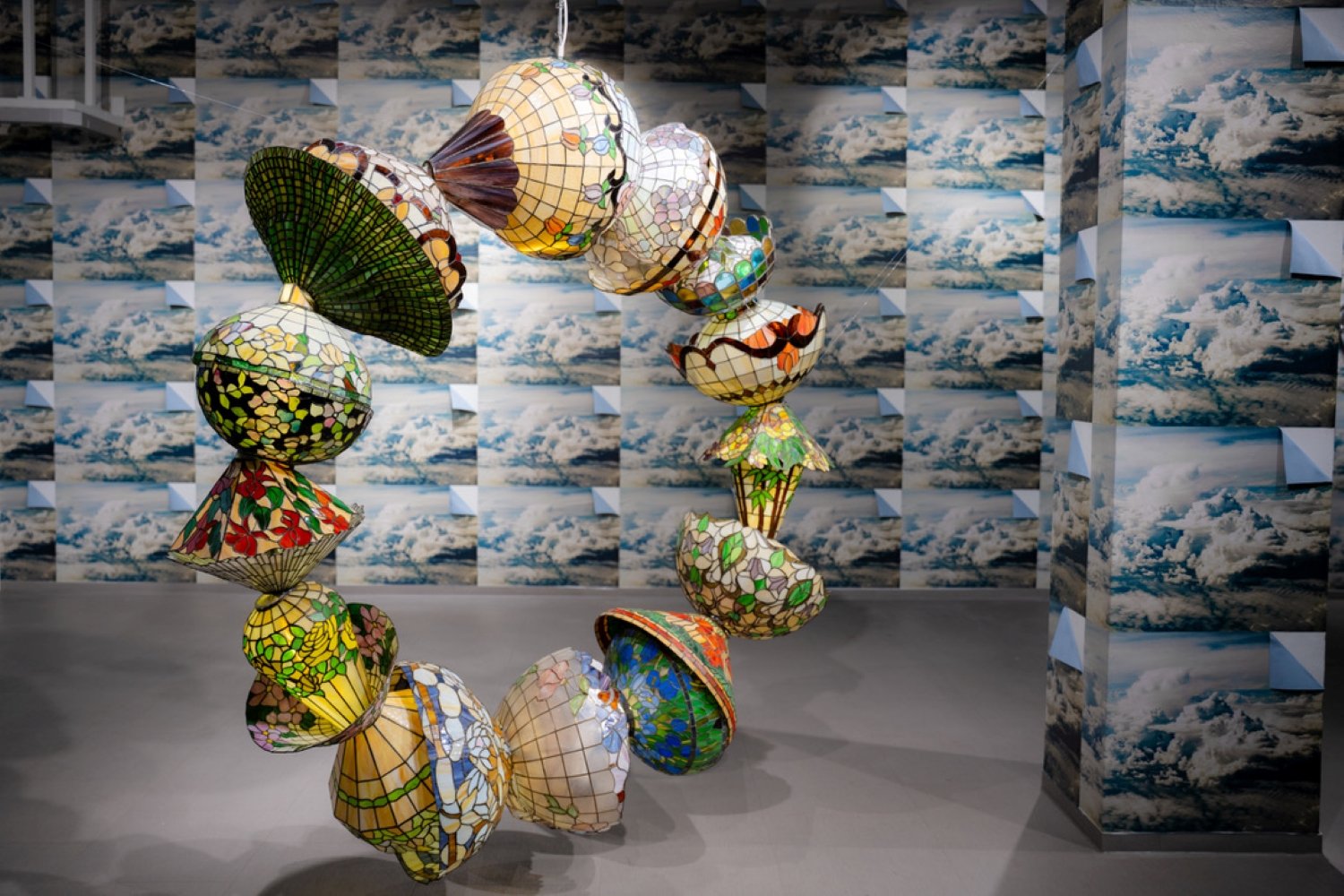
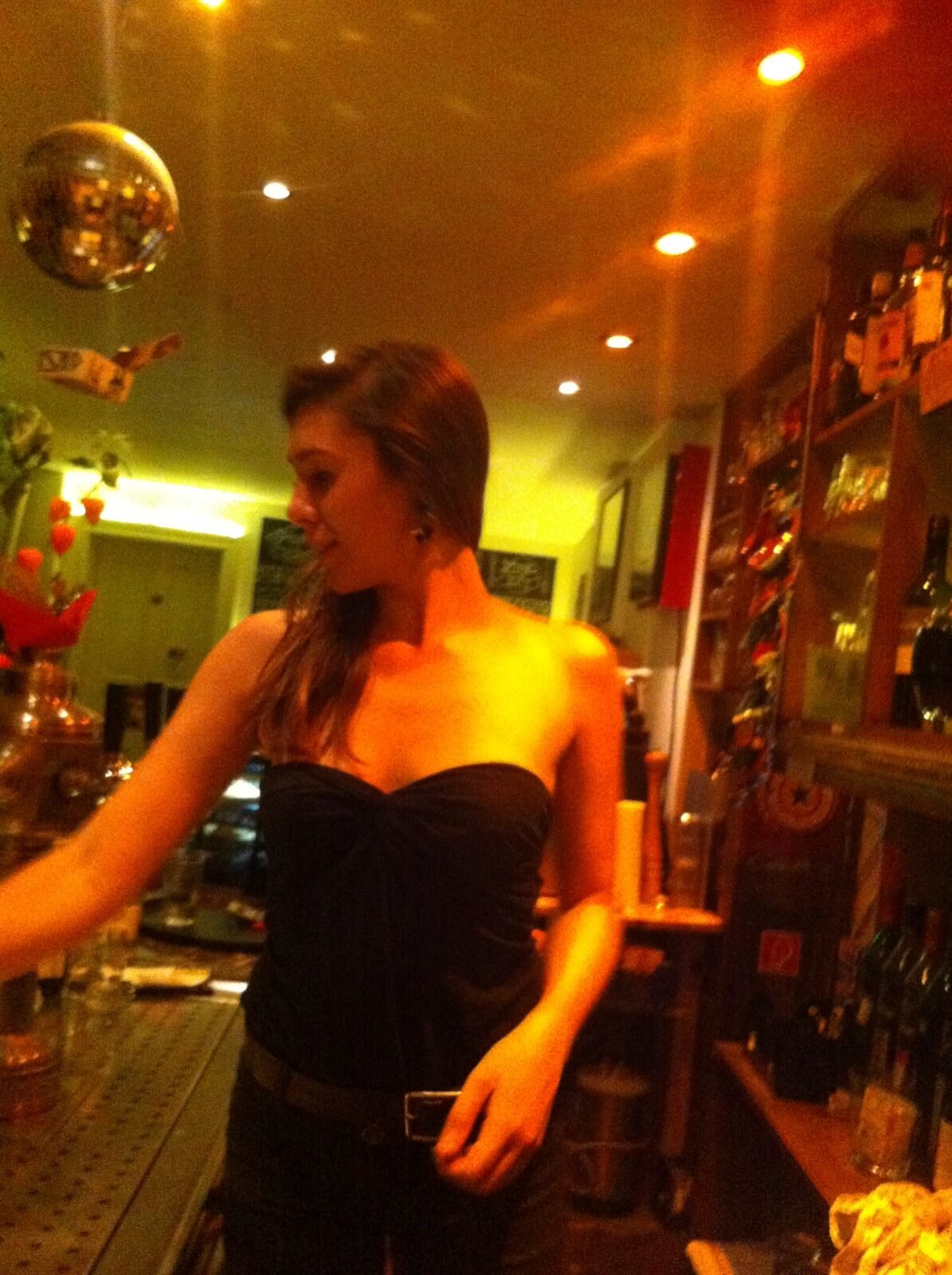
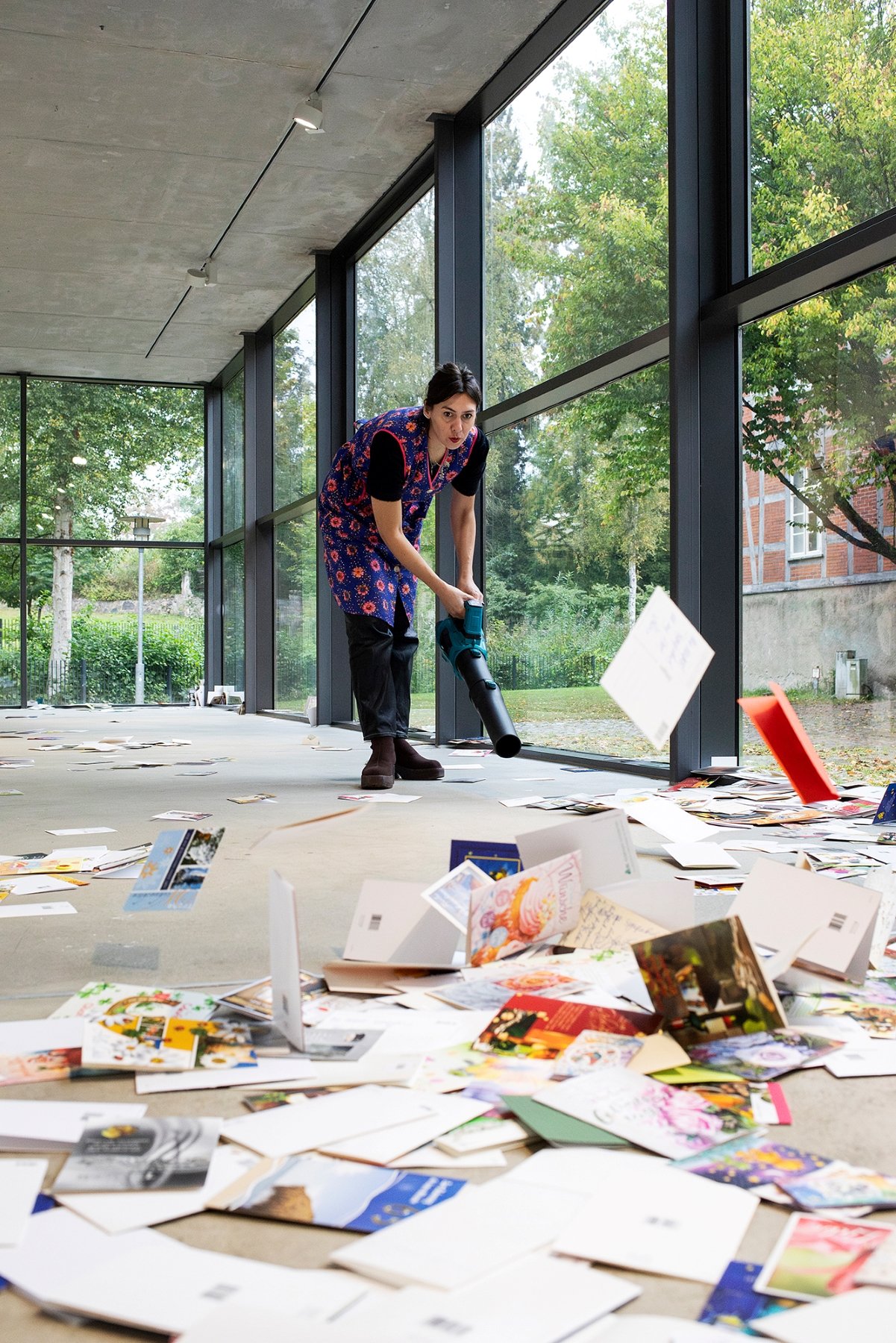
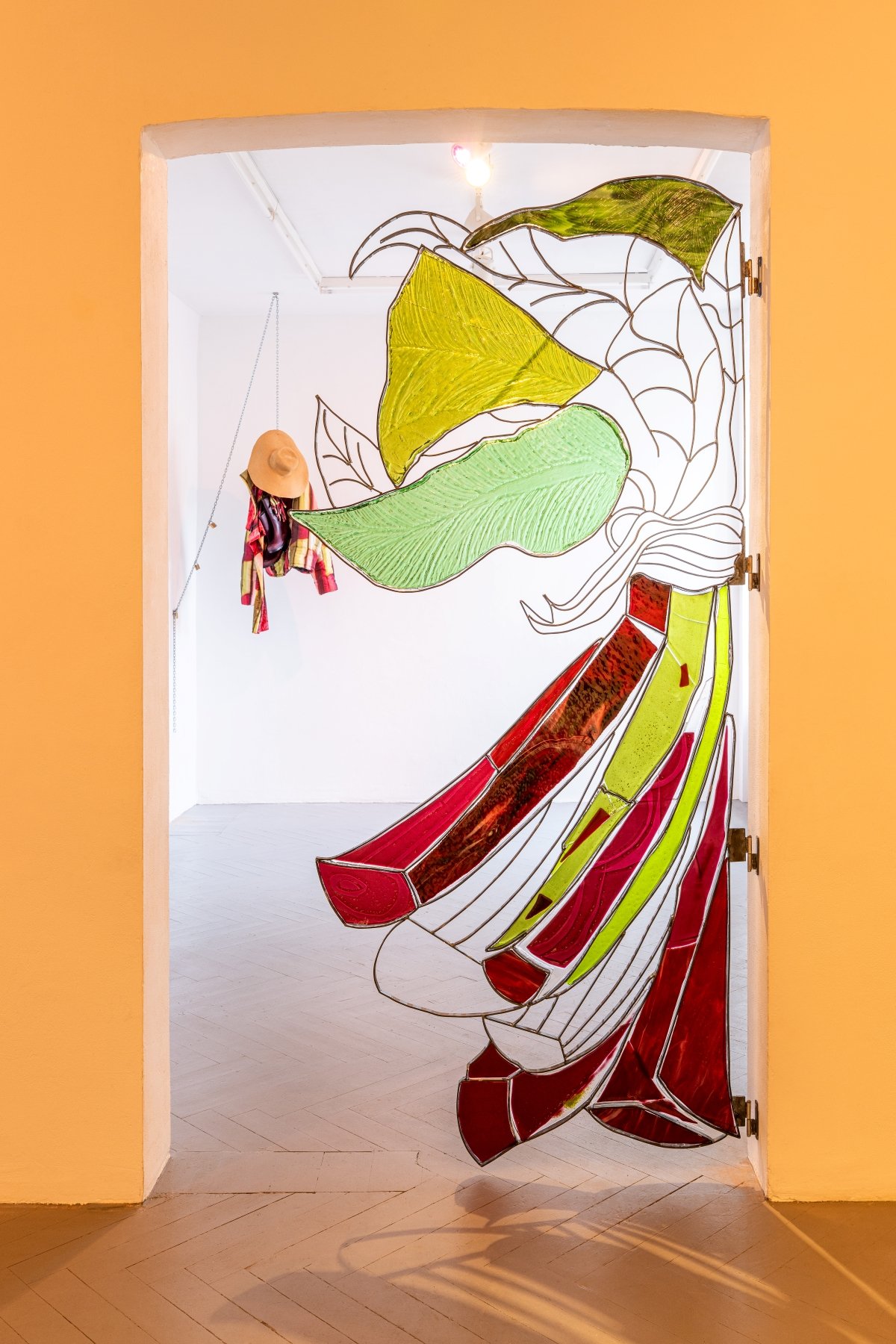
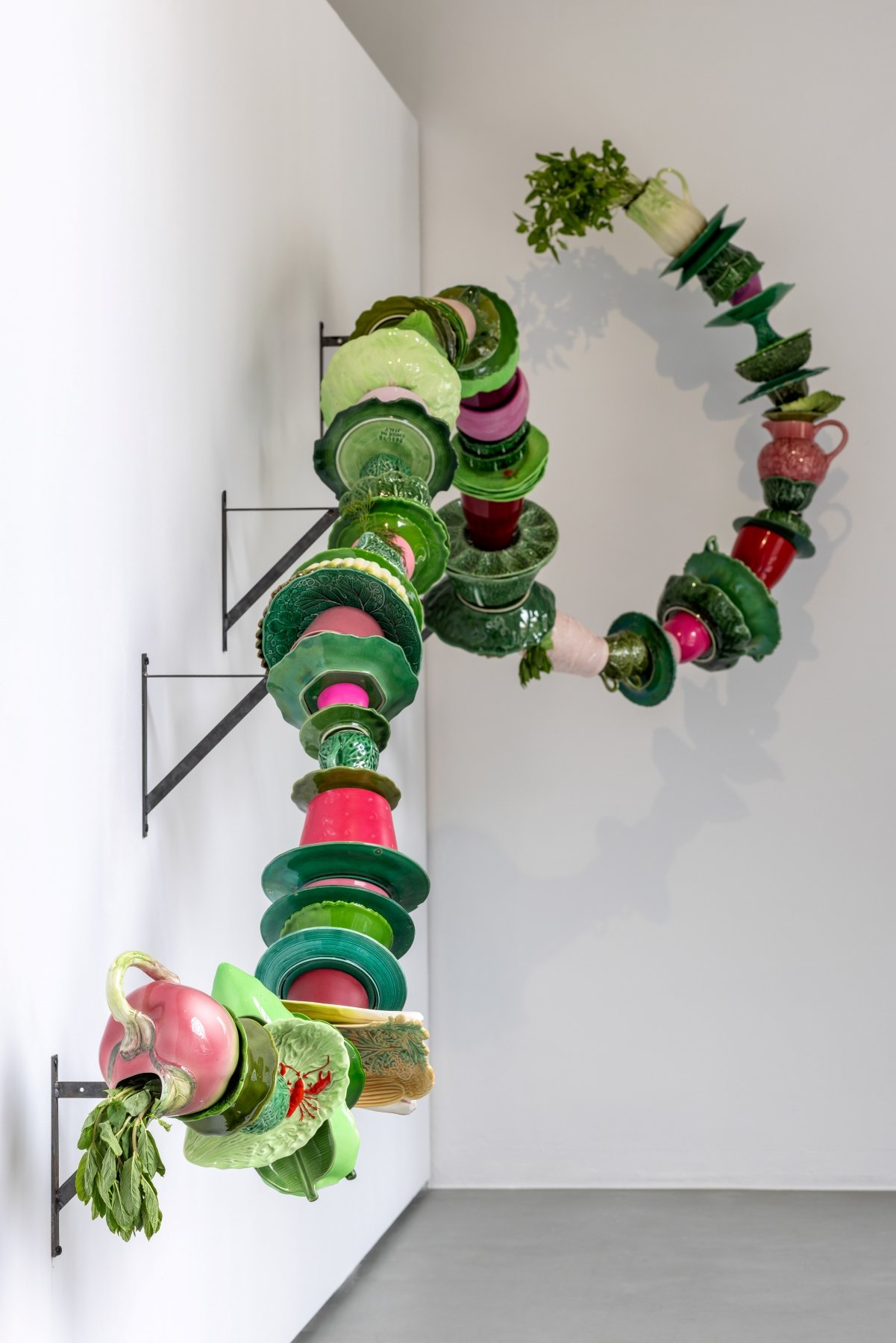
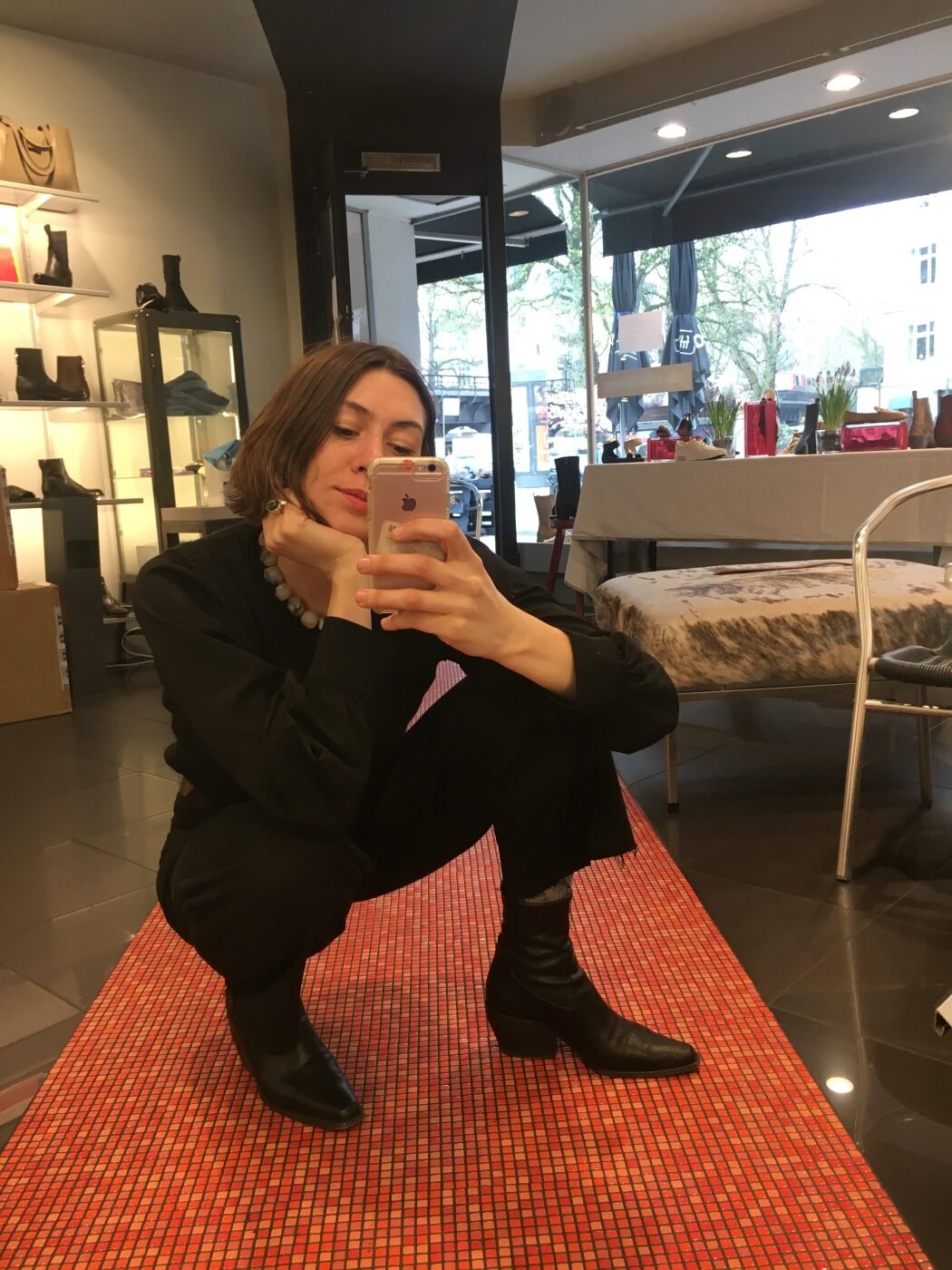
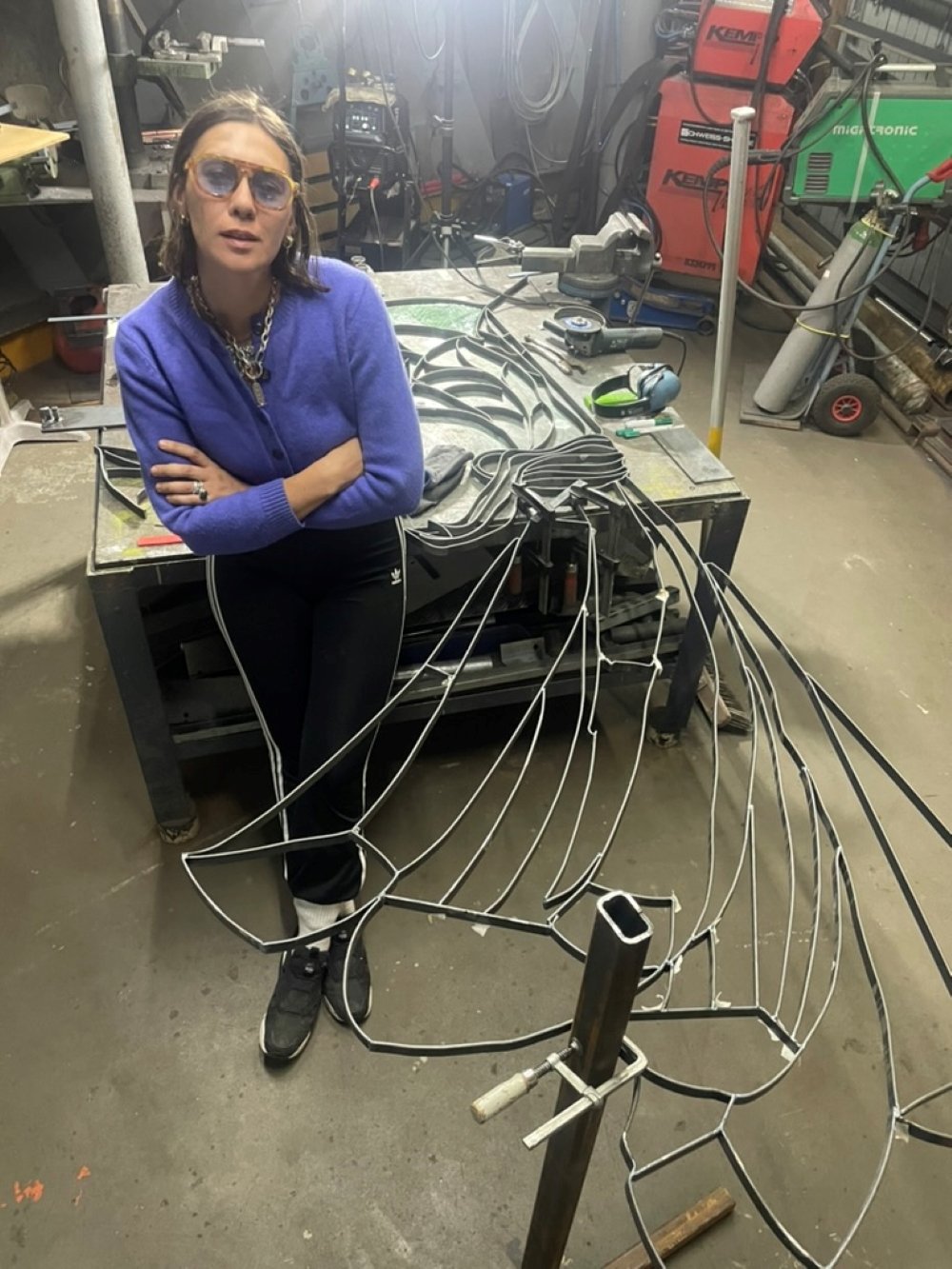
Her unusual (and onomatopoeic) name and the responses she’d had to it; her telephone sales job (one of several crappy day jobs), which she mastered in terms of working the least hours but getting as much pay as possible, but as with all her day jobs, she couldn’t keep it; finding a balance in a day job where she doesn’t have to give too much of herself but still gets paid enough to make it worth her time; the skills she’s learned or utilized in some of her gigs (bar server or boutique sales) and how they cross over with how she sees and approaches artmaking, and how she’s a great salesperson for anything and everything except her own art; the emotional attachment that she often has for the sculpture she makes in the studio, whether or not it will see the light of day; the dark forecast for jobs/gigs, and the value and importance of Universal Basic Income, which would be so vital for artists; how she really just wants to make her work, be in the studio with it…but not deal with selling it, with hustling…she would rather be gardening, or at least doing some kind of hustling that isn’t selling her work; the healthcare and housing benefits she’s had being in Germany, where in income inequality is hard to identify, especially compared to England; the wealth that surrounded her both in Jersey, where she grew up (it’s a tax haven, and there’s a lot of old money there), and then again in Germany, where a lot of her art school classmates’ parents were buying them apartments; and how while working in shoe sales, she could sometimes sniff out people with money even though there were no outward signs of it.
In the 2nd half of the conversation, available only to Patreon Supporters of the show:
We finally discuss Lulu’s article ‘The Year I Almost Gave Up Being An Artist,’ on Frieze.com- how she was scared to publish it because she thought people would attack her/her work, she was concerned the piece wasn’t critical enough of the situation she was describing (because there was only so much space in the piece), and therefore she would be misjudged as being some kind of neoliberal (‘get off your ass, bitch,’ is one interpretation she imagined), and her editor, Chloe Stead, said she ultimately needed to trust the reader; the overwhelming and intense experience of publishing that piece, including the 400 messages she received; the inherent judgements coming from various levels of the art world, for not making a living from one’s work, or for day jobs they do, and how real or imagined these judgements are; how on one hand, artists need to stop being so uninviting and instead be more sharing,, and on the other, non-artist audiences need to be more open to artists, and culture, as something within their own world, not apart from it; in her utopian vision for artists, it wouldn’t need to be a career, it would just be who we are, and if everyone had a little more time to make, create…to be allowed to be the person we want to be and not be defined by our jobs; how for her students, she encourages figuring out what sort of mood or feelings encourage your artmaking, and try to have it be a dynamic that’s sustainable; and how making art, on its own, can function as a form of activism.
This podcast relies on listener support; please consider becoming a Patreon supporter of the podcast, for as little as $1/month, here: https://www.patreon.com/theconversationpod