
To watch video of the first half of the episode, check out the YouTube page
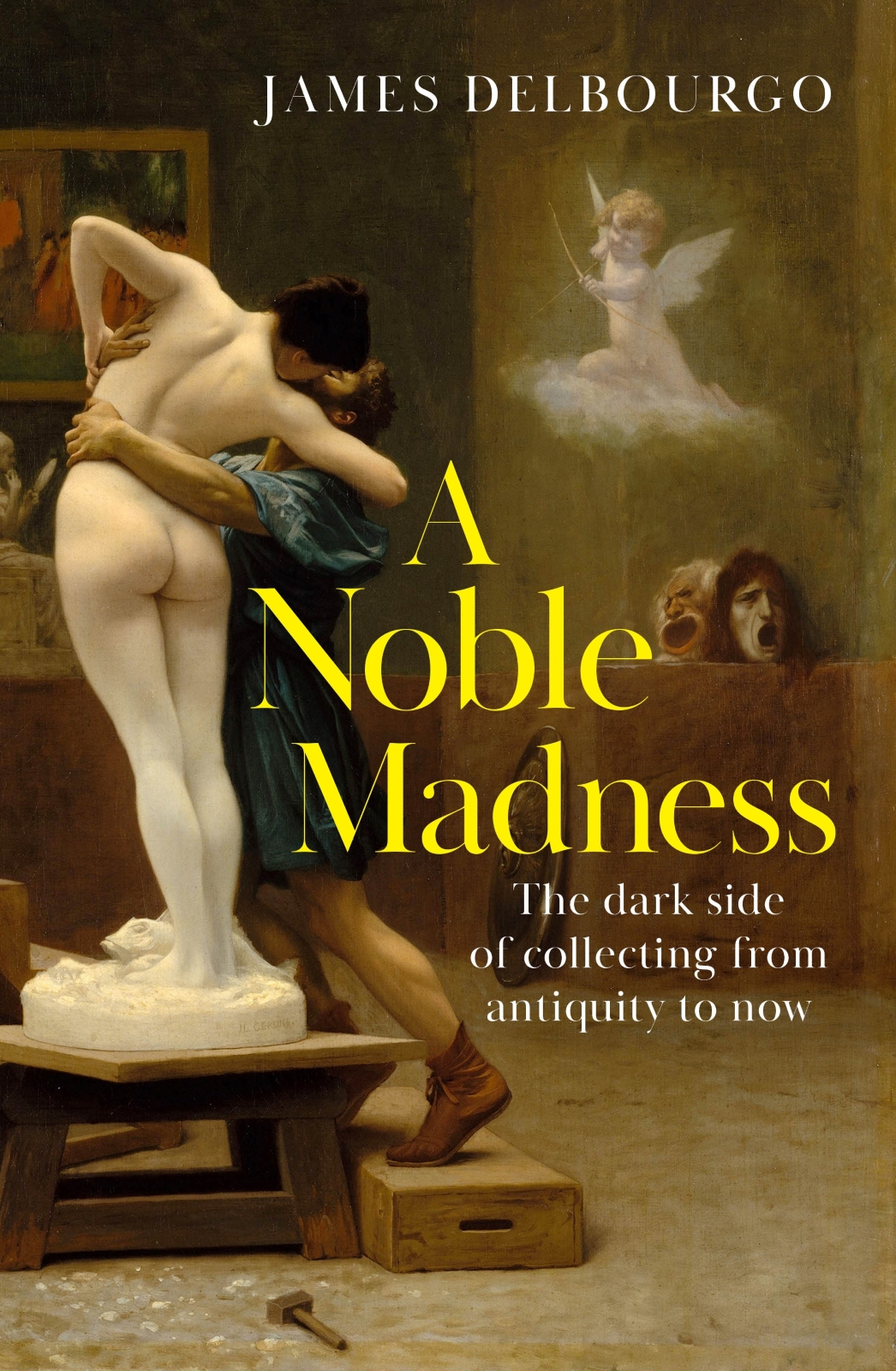



James Delbourgo, professor of history at Rutgers University and author of A Noble Madness: the Dark Side of Collecting from Antiquity to Now, talks about:
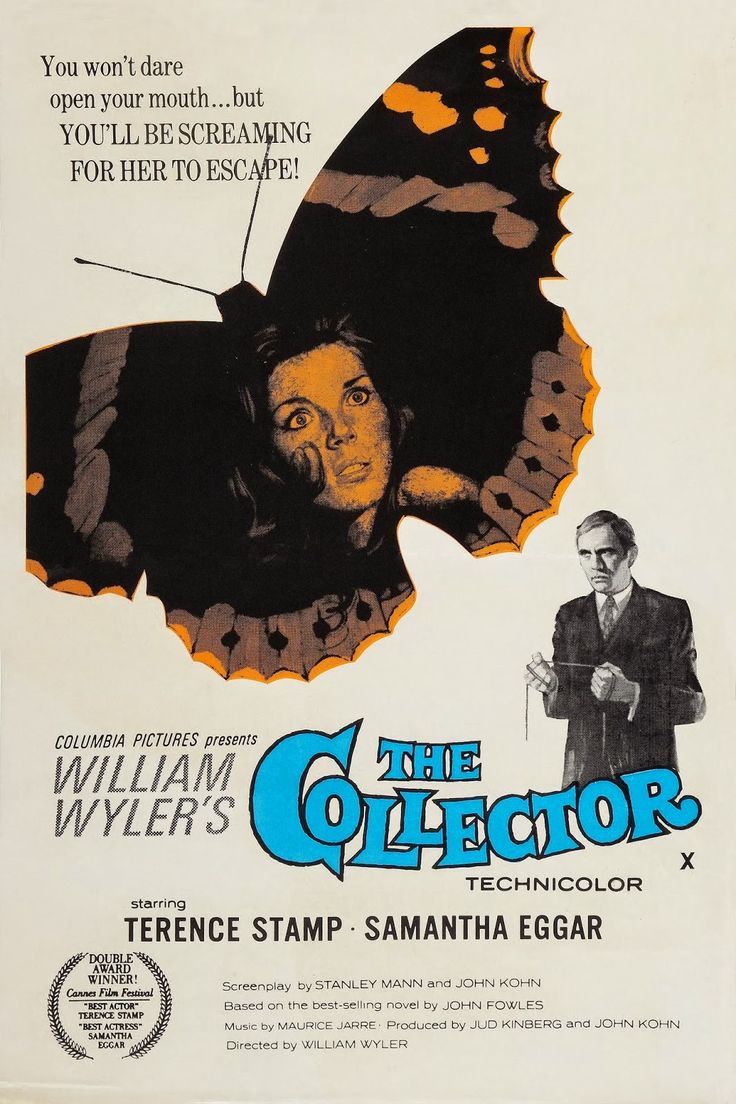
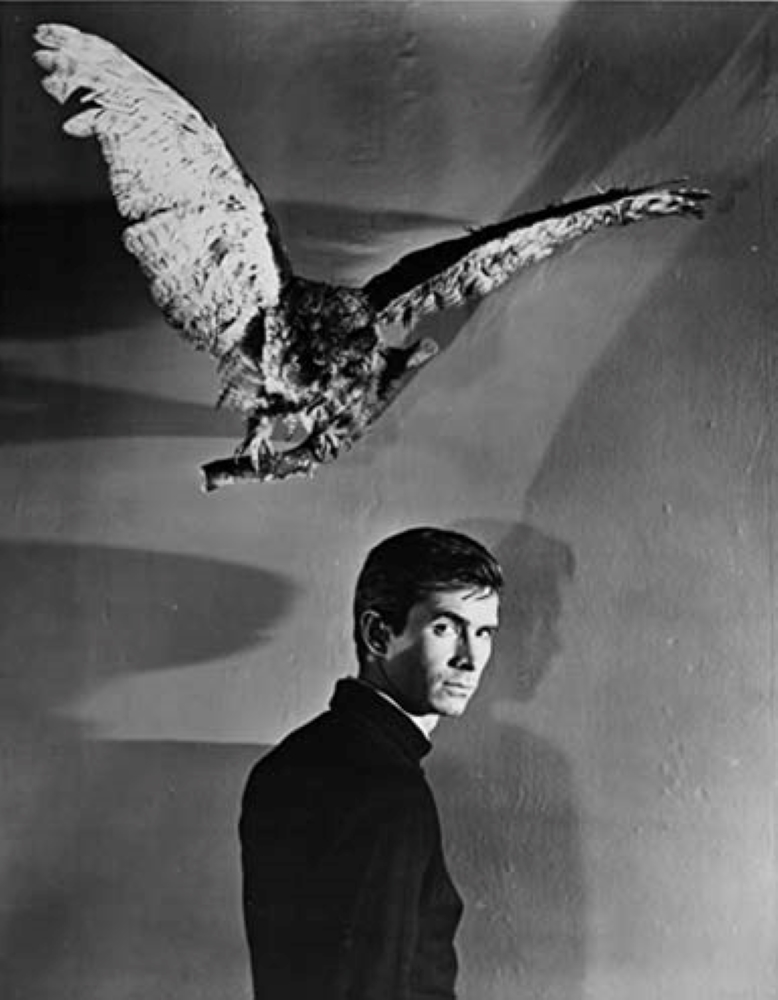
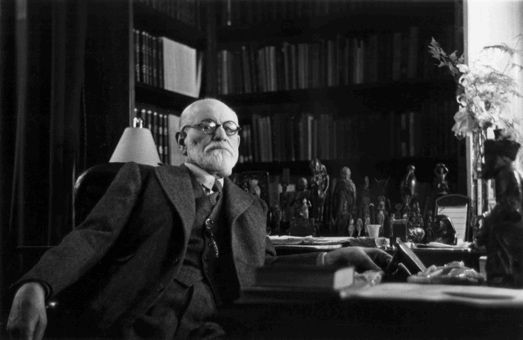
Why he’s written about contemporary art so extensively, as a history academic who’s very interested in the present, going to galleries and wondering who collectors are right now, raising a lot of questions about archetypes for what would become a big part of his book; how collectors can not only be defined as powerful, they can also be defined as weak, unhinged and deranged, among other things; how the profile of the collector, over time, is more a corkscrew than an arc, with the Freudian view of the collector was seen as repressed and even dangerous, whereas the contemporary collector is seen as being more about power; how in Robert Bloch’s book “Psycho,” upon which the movie was based, the Norman Bates character is actually described as a collector but one who is ugly and unprepossessing, and how the Hitchcock film turned him into a charming, ingratiating figure who turns the audience on his side; how really thoroughly experiencing housed collections (prime examples are the Hearst Castle in San Simeon, CA, and the Vittoriale degli Italiani in Gardone, owned by Gabrielle d’Anunzio) was embedded in his writing the book; the collector as puppeteer, as orchestrator (and collector) of people, as William Randolph Hearst was; how encountering someone’s place, and their things, is “a physical experience that constitutes the way you understand this person and your relationship to them,” as James put it; and how Freudian interpretation has had such a lasting relevance over the years, even as it’s gone out of fashion.
In the 2nd half of our conversation, available to Patreon Supporters of the podcast, you’ll hear James talk about:
How hoarding, like the Middle Ages, has waned, and is tossed around far too lazily; the ‘l’ word, as in “loser,” which he used to describe Robert Bloch’s Norman Bates, whom he qualifies as a ‘lovable loser,’ particularly because collectors like Bates collect authentically, out of passion, not for financial gains; how he couldn’t quite get the marketing department to change the subtitle of his book (particularly “The Dark Side” part), and why he’s interested in authentic collectors, those who collect for love, with no thoughts of profits or strategy, the type of collector who he believes is vindicated in the end, as opposed to the Charles Foster Kane-type collector, who collects to accumulate; the democratization of collecting, including ‘garbologists,’ in which everything can, and does, get commodified; countercultural collectors, who collect things like deformed animal corpses, their own child’s placentas, and other curiosities, and how they don’t care what people think of them, or in fact that they want to defy popular opinion…as James put it: “their truth to self is uncompromised…by notions of taste or fine arts or utilitarianism…they’re the freest people of all…they’ve freed themselves from the tyranny of the respectable opinion of other people;” and finally he describes an exhibition about Marie Antoinette at the Victoria & Albert Museum in London (the lines to get in were staggering), a collector of shoes and porcelain and snuff boxes and furniture…who was so vilified/demonized for political reasons, as the enemy of the people…she is the classic case of the political demonization of a collector who is executed as if it would purge the suffering of her subjects; the most classic case of that political question around the collector, and how, ironically, it was her execution that made her immortal.
This podcast relies on listener support; please consider becoming a Patreon supporter of the podcast, for as little as $1/month, here: https://www.patreon.com/theconversationpod