
Boston-based photographer Jim Dow talks about:
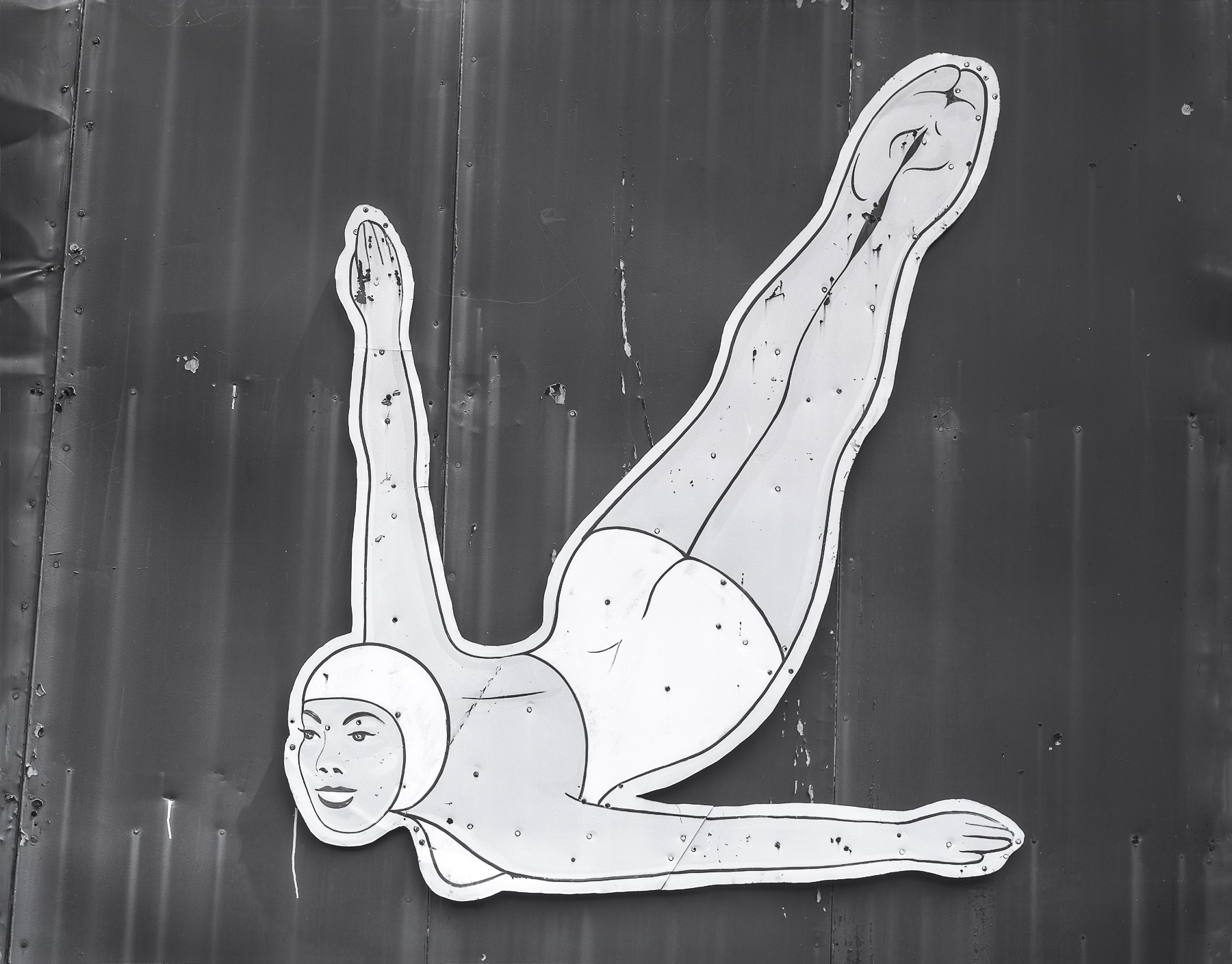
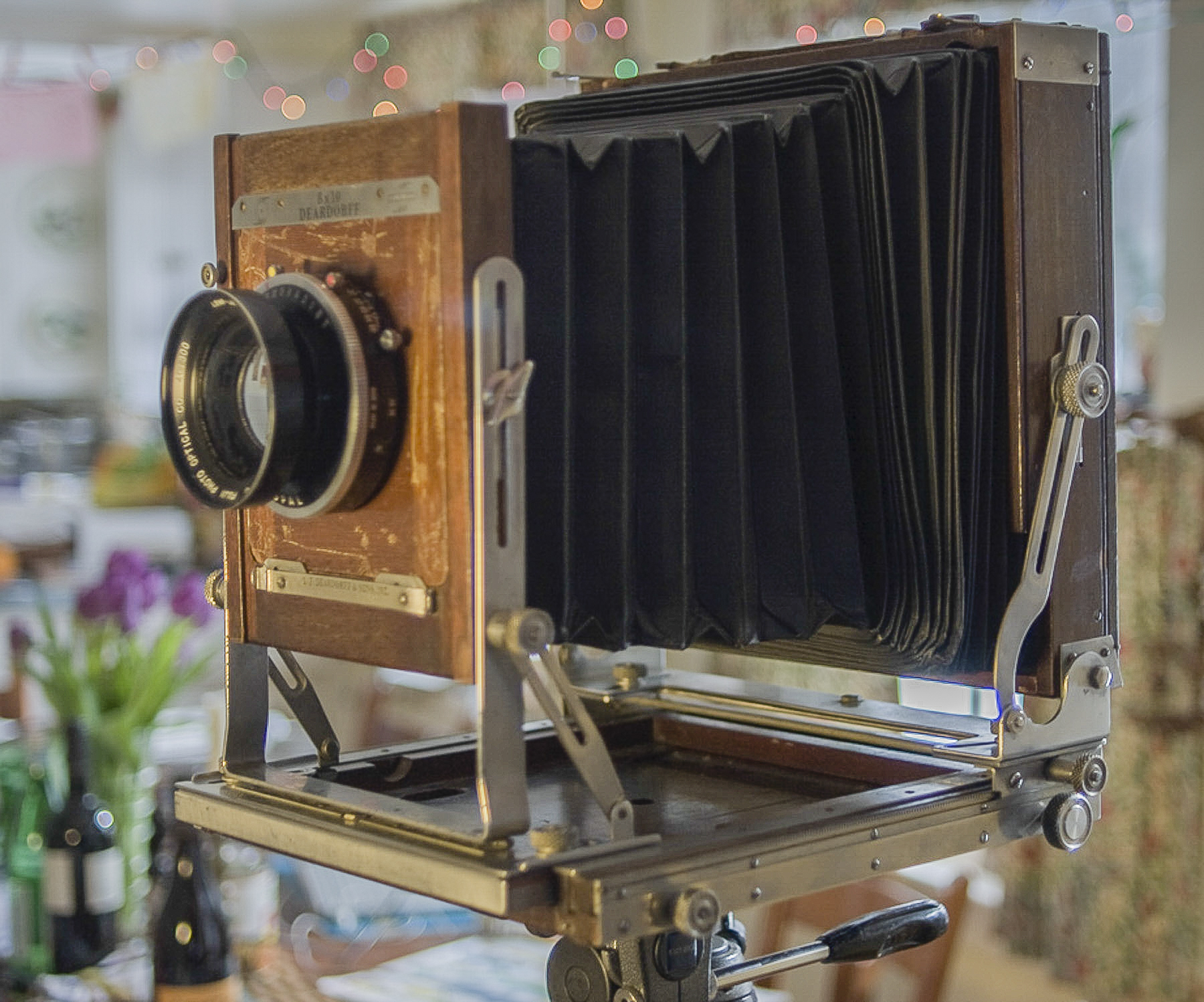
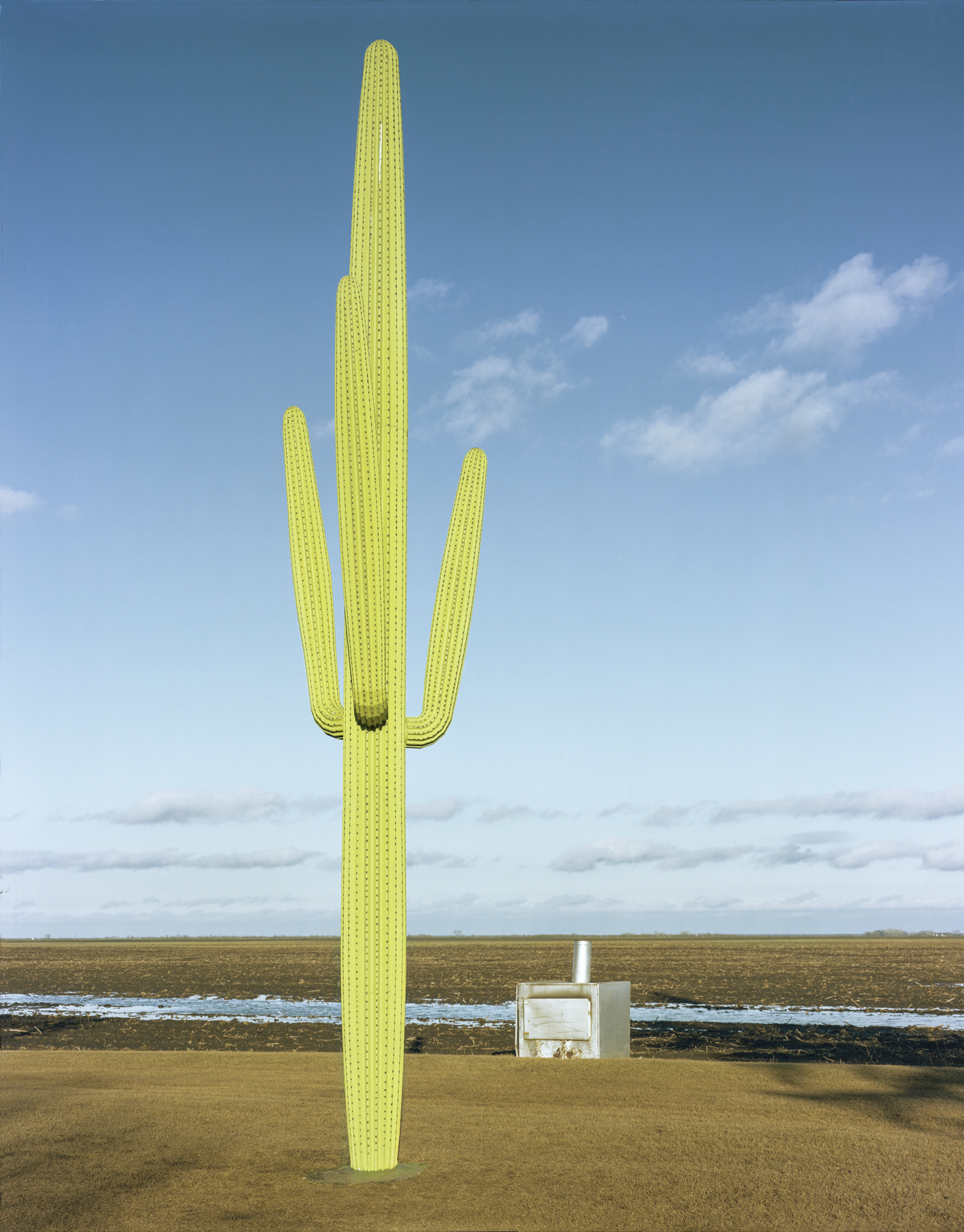
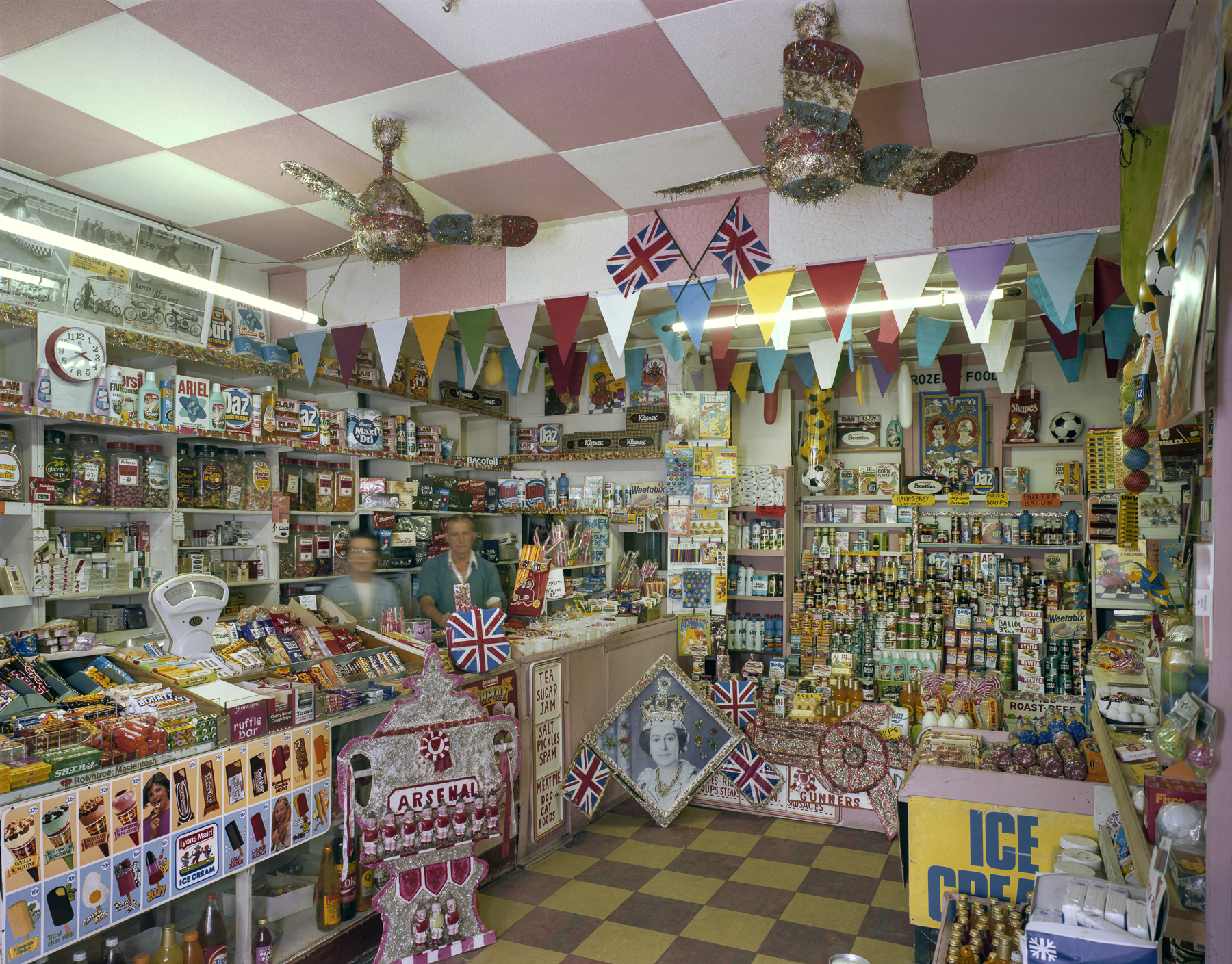
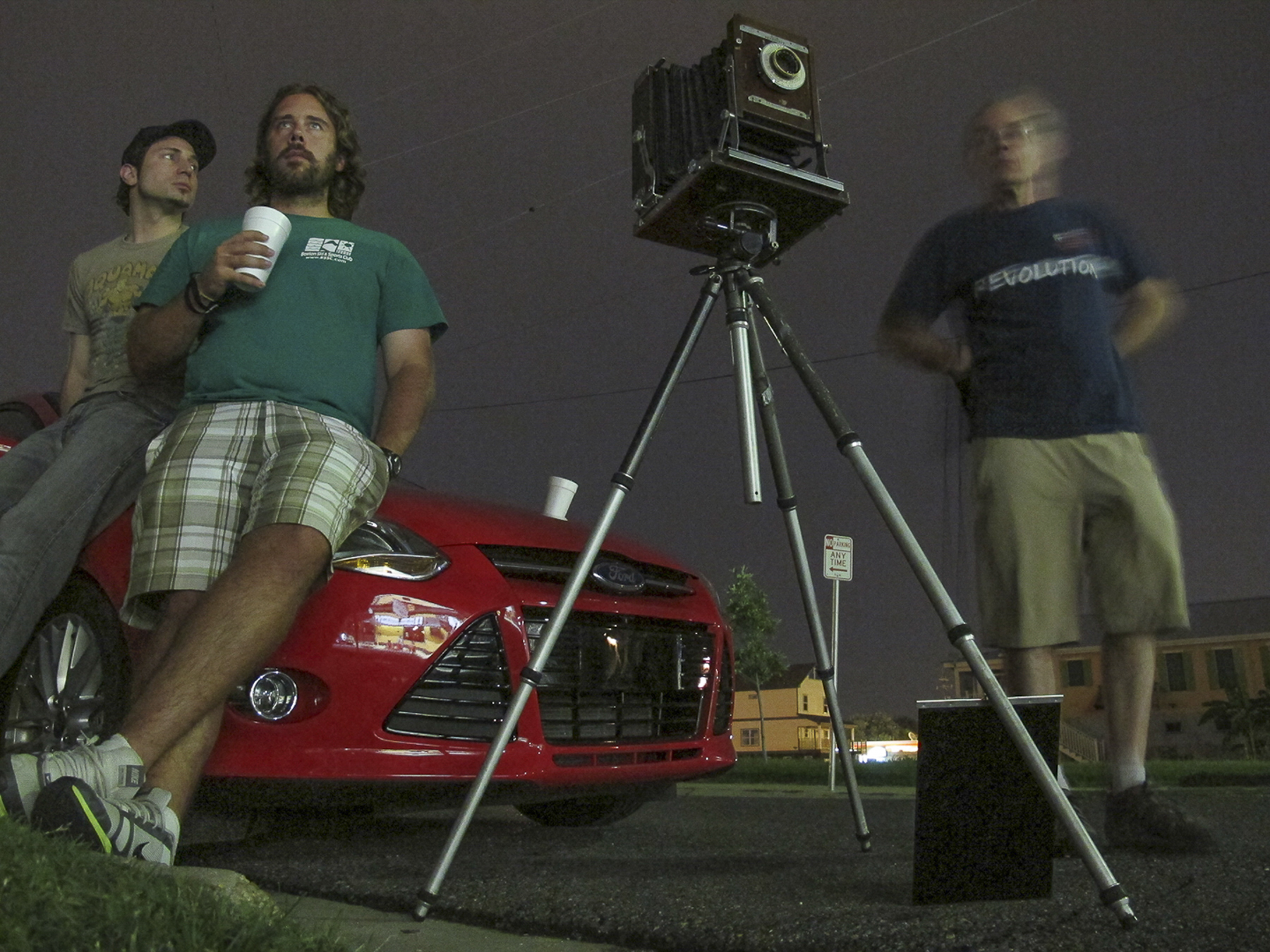
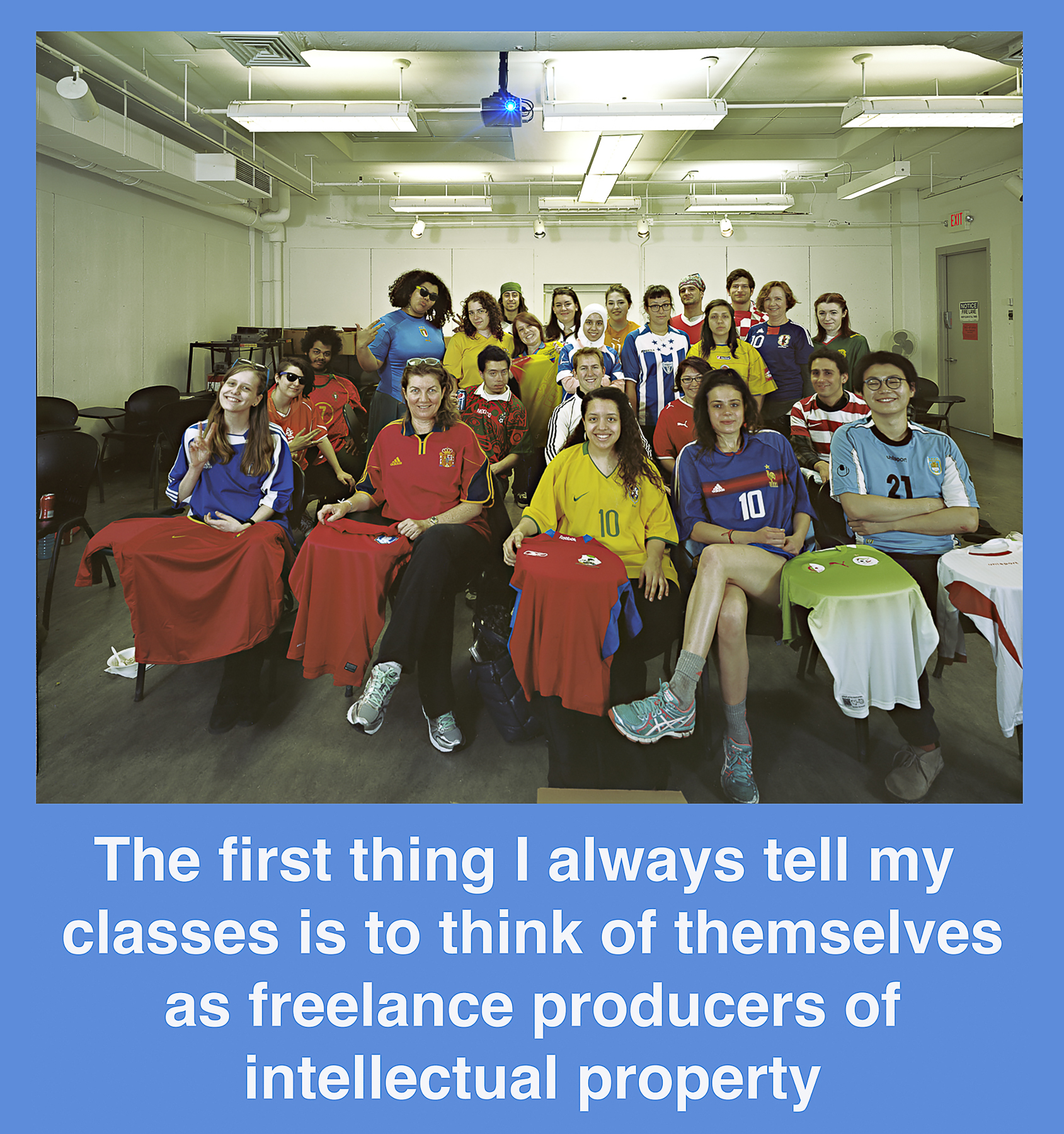
The Boston art community (which is often connected to the art school and universities) and why he’s lived there the great majority of his life (he lives in the house he grew up in); he’s a dedicated Mass-hole- there’s an edge to people there and you have break that edge; how he navigates random passersby when he’s photographing for long sessions with his wooden large-view camera (his exposures range from a second to 20 minutes), with people always around him (here’s a short video of a food stand guy singing tango where Jim was doing a shoot); his experiences with the difference between analog and digital photography, each of its pros and cons, and why he uses digital for documenting exhibitions which he’s used for his teaching; suggestions for how to best edit documentation of your own work, which starts with photographing on your phone, to get a good sense of color that you can use as a template for your photo editing; how he used the NEA’s selection process, of not using artist statements as part of the process for the initial rounds, as a tool to teach his students (including as a guest lecturer at Harvard) about how decisions are made; the Harvard student he had who wrote a study evaluating the value of photography based on economic models; two fully adults students he’s had over the years, and how their stories impacted both Jim and his other, younger students; and how the odds of becoming monetarily successful artists are worse than becoming a professional baseball player, at least by one (possibly obsolete?) metric.
This podcast relies on listener support; please consider becoming a Patreon supporter of the podcast, for as little as $1/month, here: https://www.patreon.com/theconversationpod
In the 2nd half of the conversation, available to Patreon supporters, we talk about:
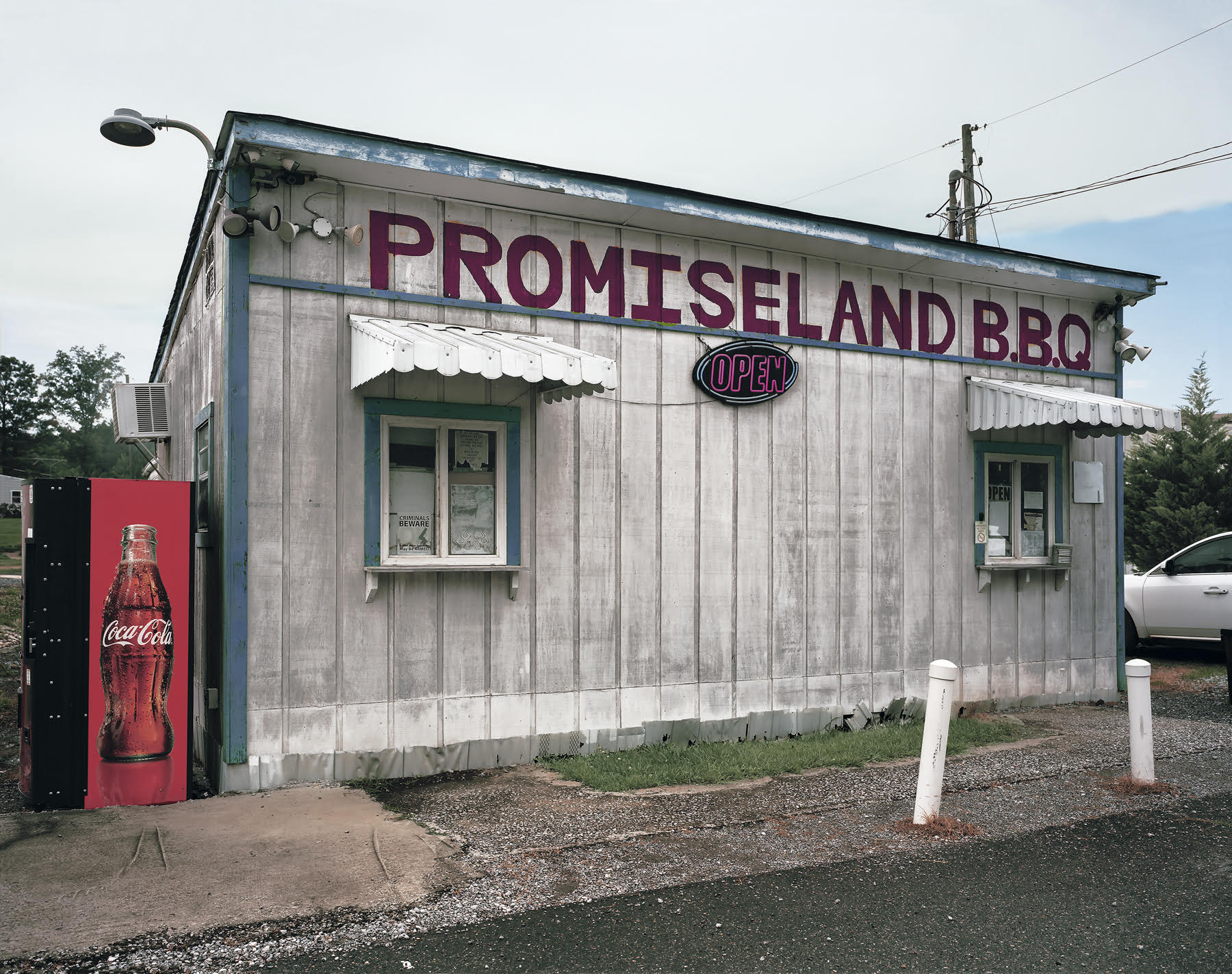
His own relationship to financial success as an artist, both as a teacher and a photographer, which has added up to a solid middle-class income, and how ‘his photography supports his photography,’ just barely; how crucial it is for artists to have day jobs; how scarcity and nostalgia play a big role in a photograph’s market value; his insights on financial precarity, not only through his students but his own kids, and what he tends to advise kids to do vis-à-vis art school; how he worried about students who thought their path after leaving art school was being an art star – because of those low odds he mentioned – and meanwhile how many mature adult students he had who were in their 30s all the way up to even their 70s, and how they got so much out of his classes with the life experience they brought; how he wrote ‘a million’ letters of recommendation for students, always starting from scratch (no template); though he didn’t want to necessarily become friends with his students, he’s become good friends with about 7 of them between early 30s and early 70s; how he saw his students as “peers-in-training;” the visual sophistication of the recent college kids he taught, due to their lifelong exposure to such a vast range of imagery; how the women and the gender fluid students were infinitely more articulate than the men, in his experience; how one of his students, who grew up on a dairy farm, expressed her frustrations with class differences she experienced amidst her fellow students (read: privilege); and his next project, documenting the food stands and other businesses along north-south highway 111, using it as an opportunity to explore the ‘hallway doors’ along the way.